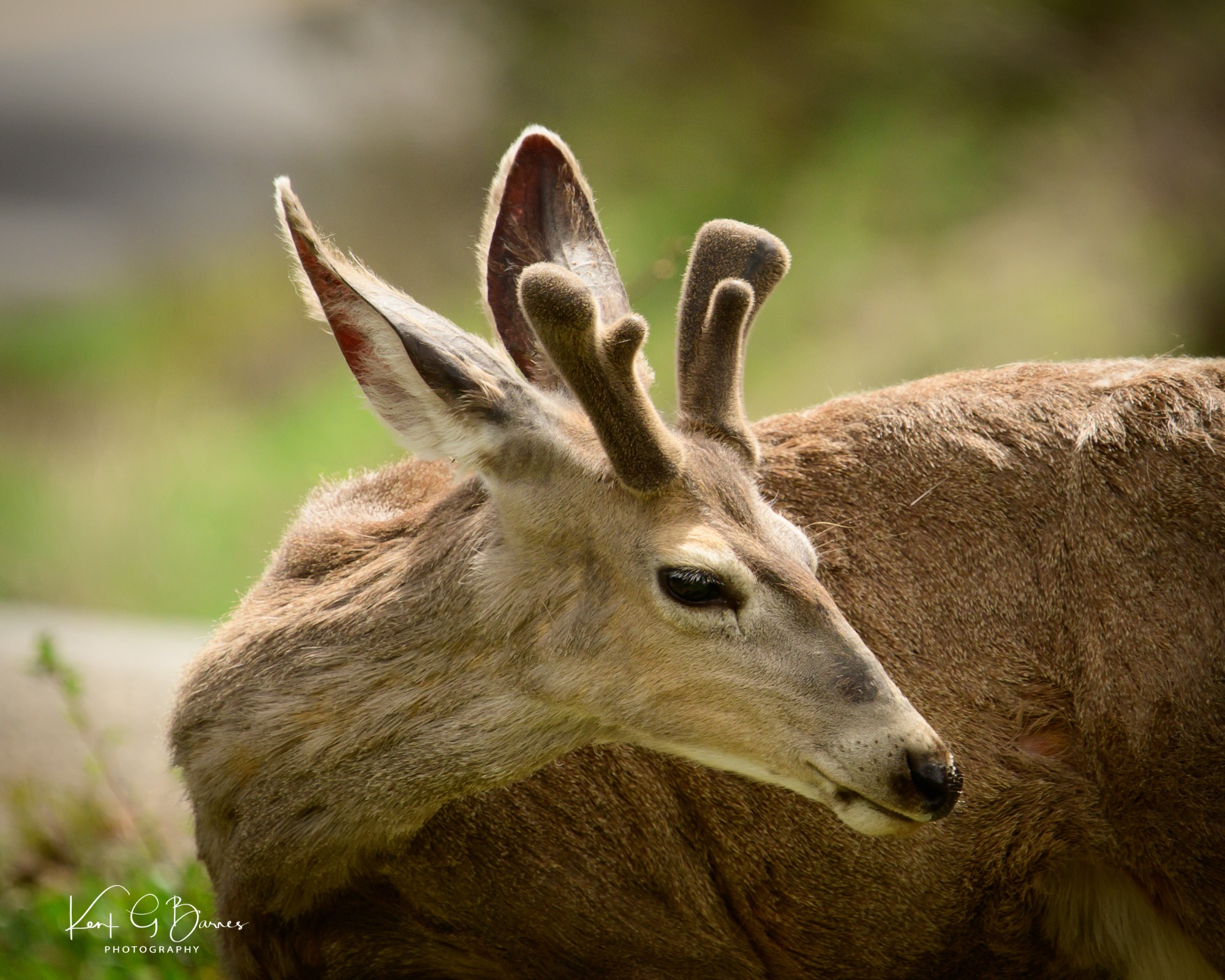
Oh Deer!
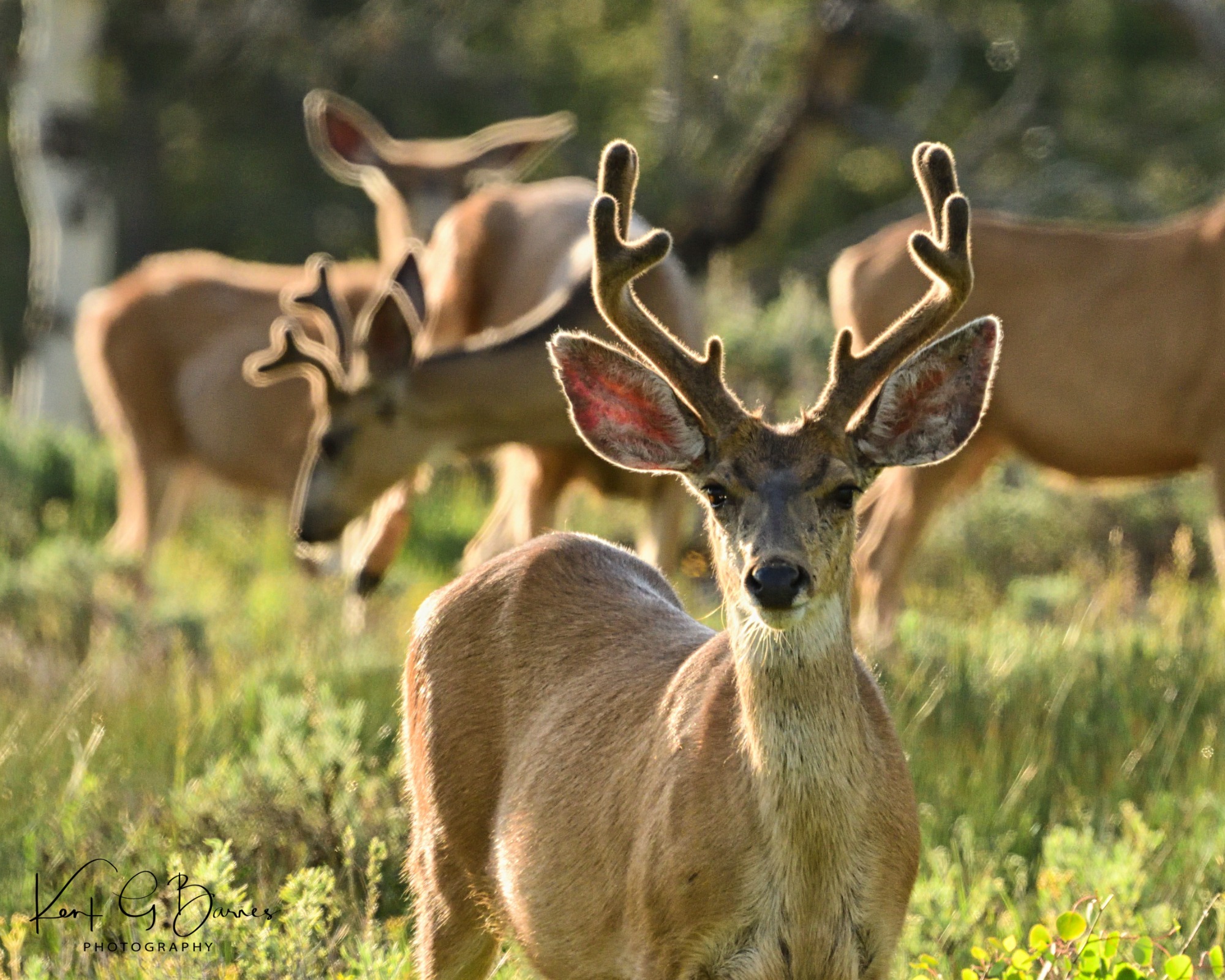
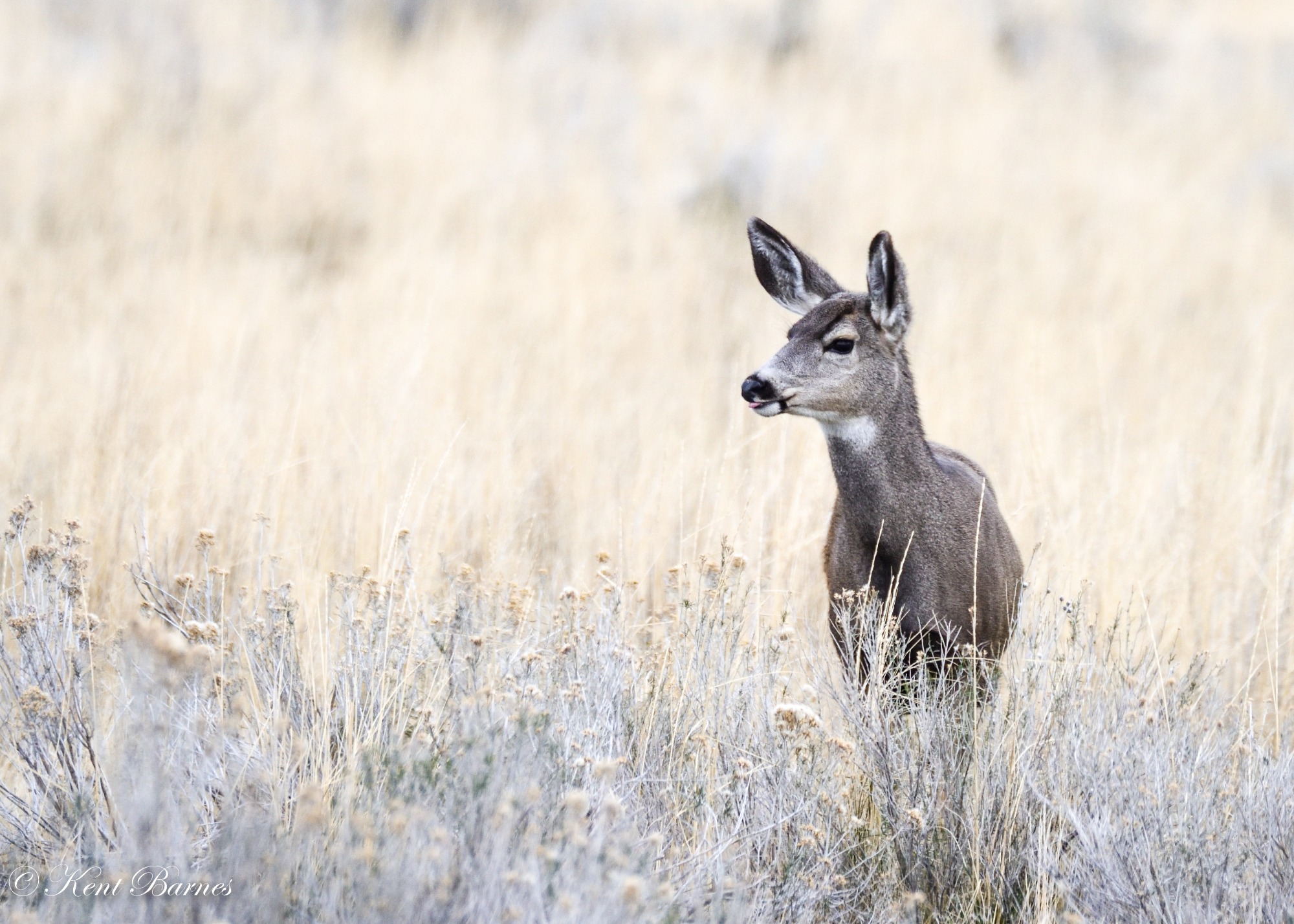
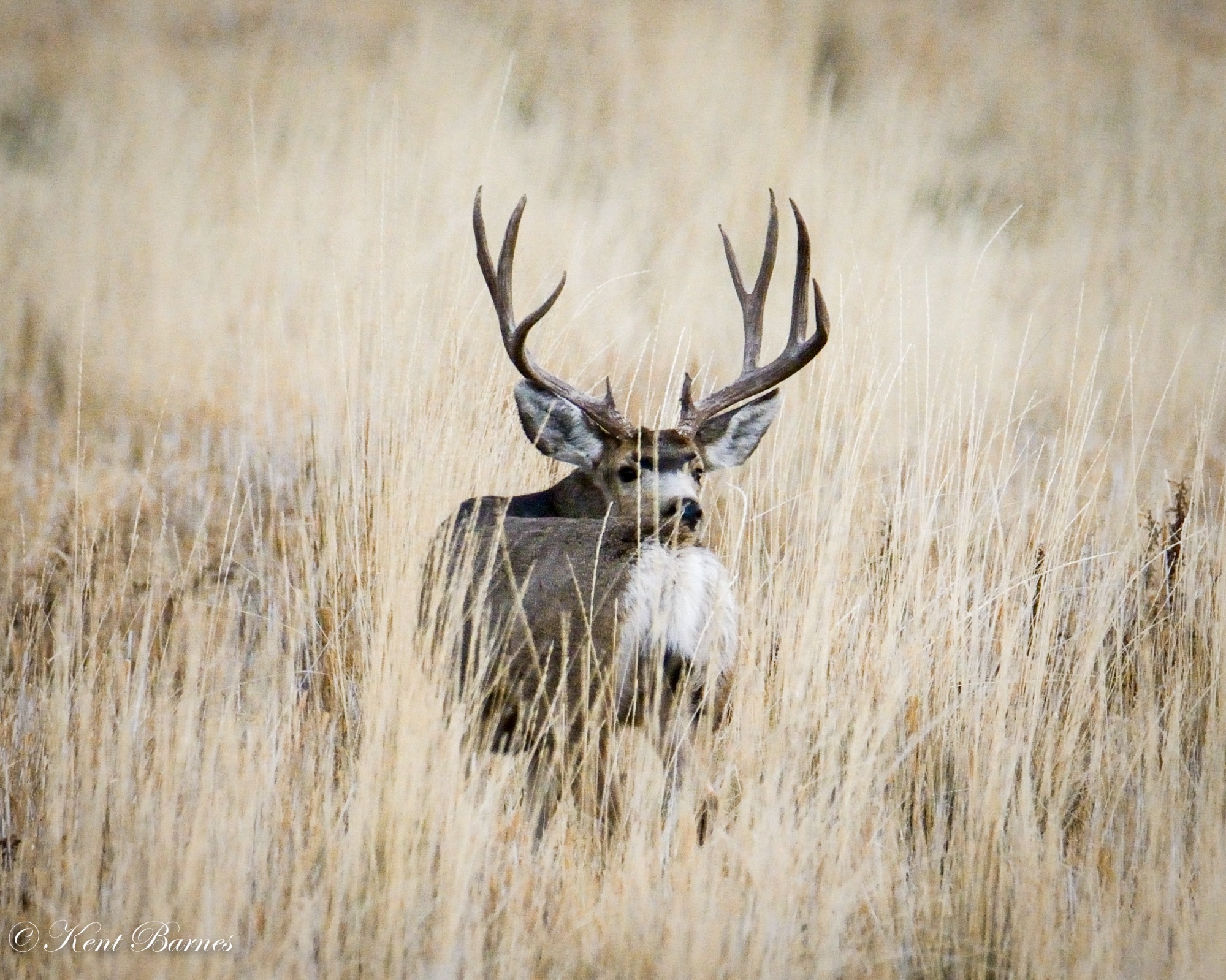
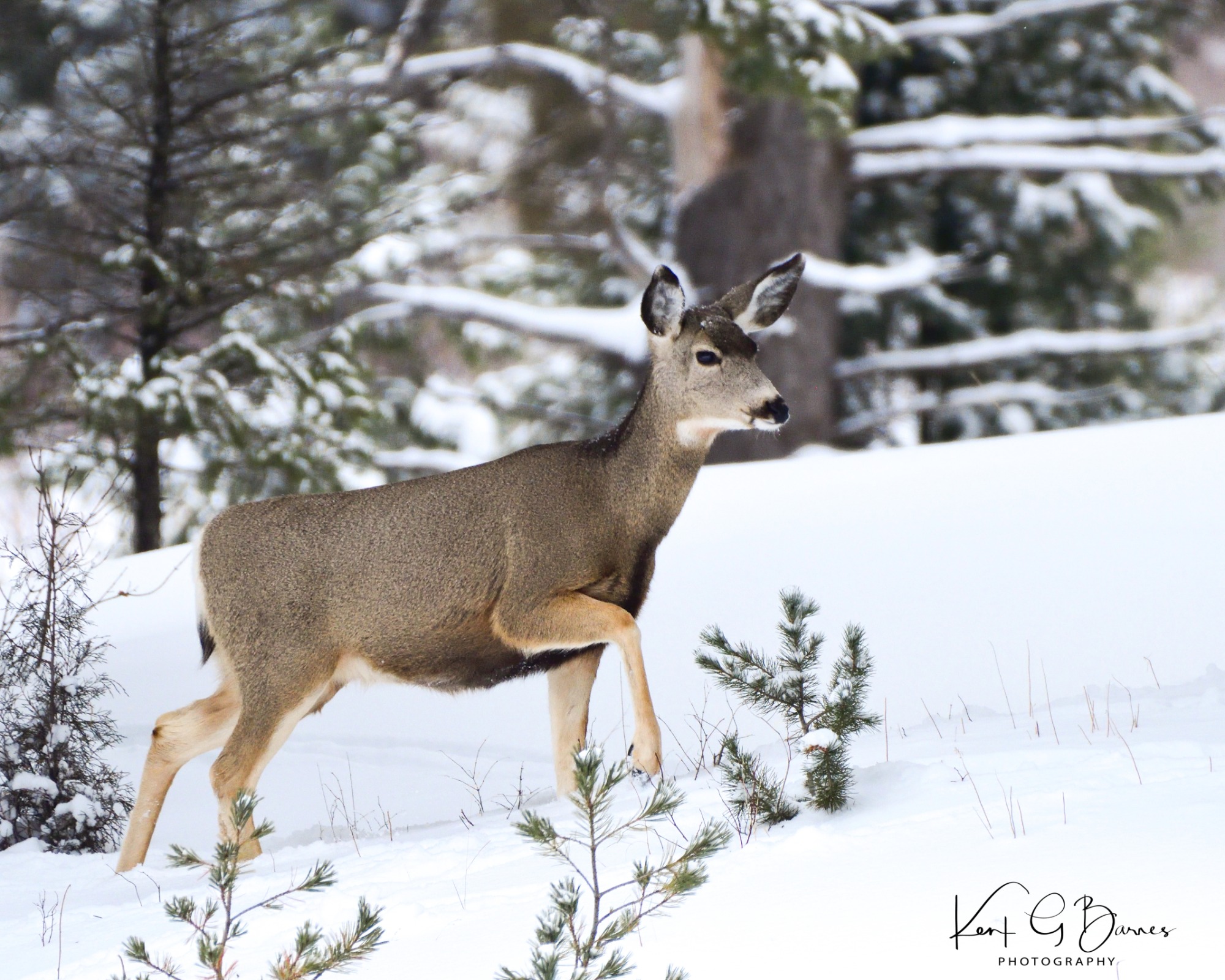
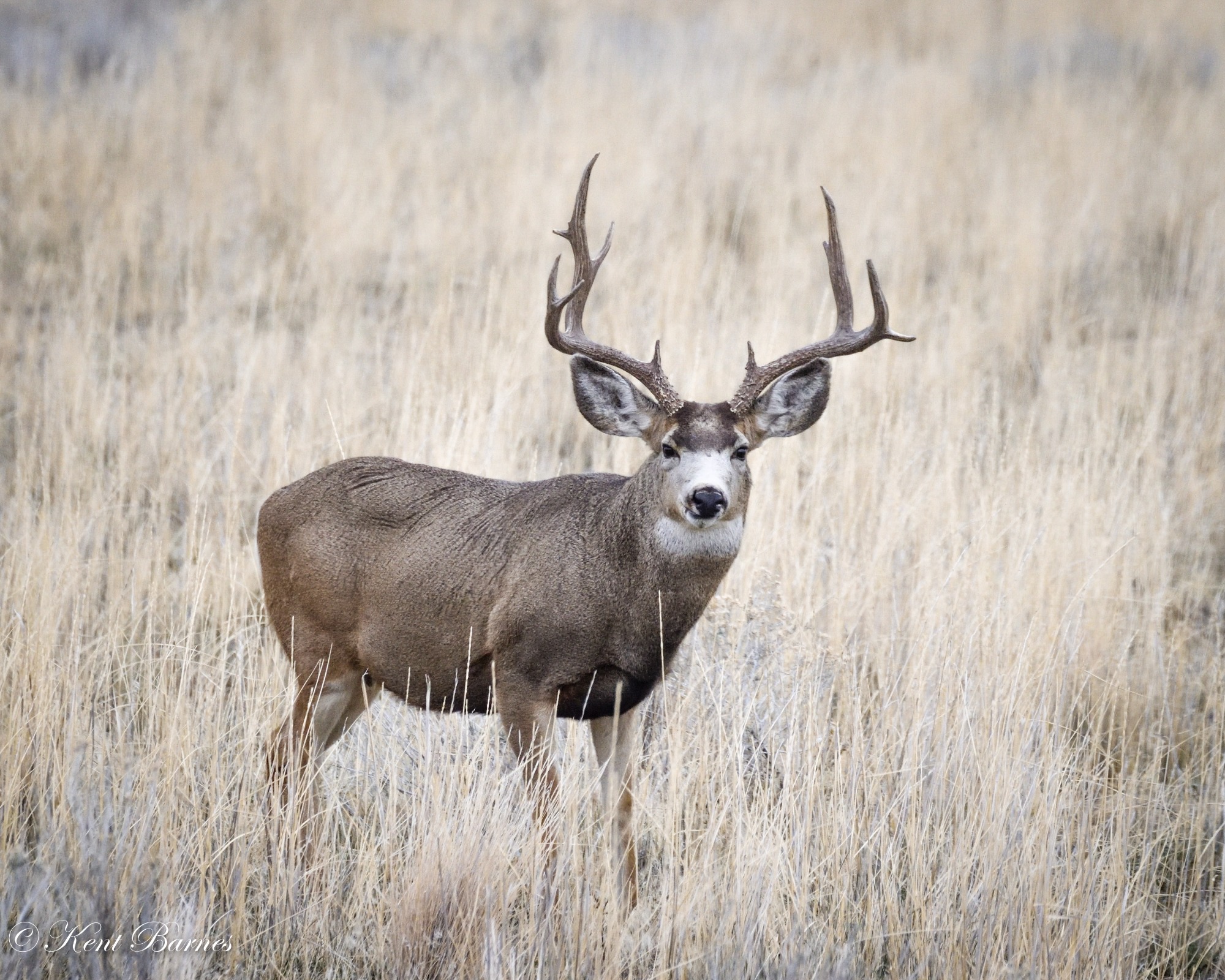
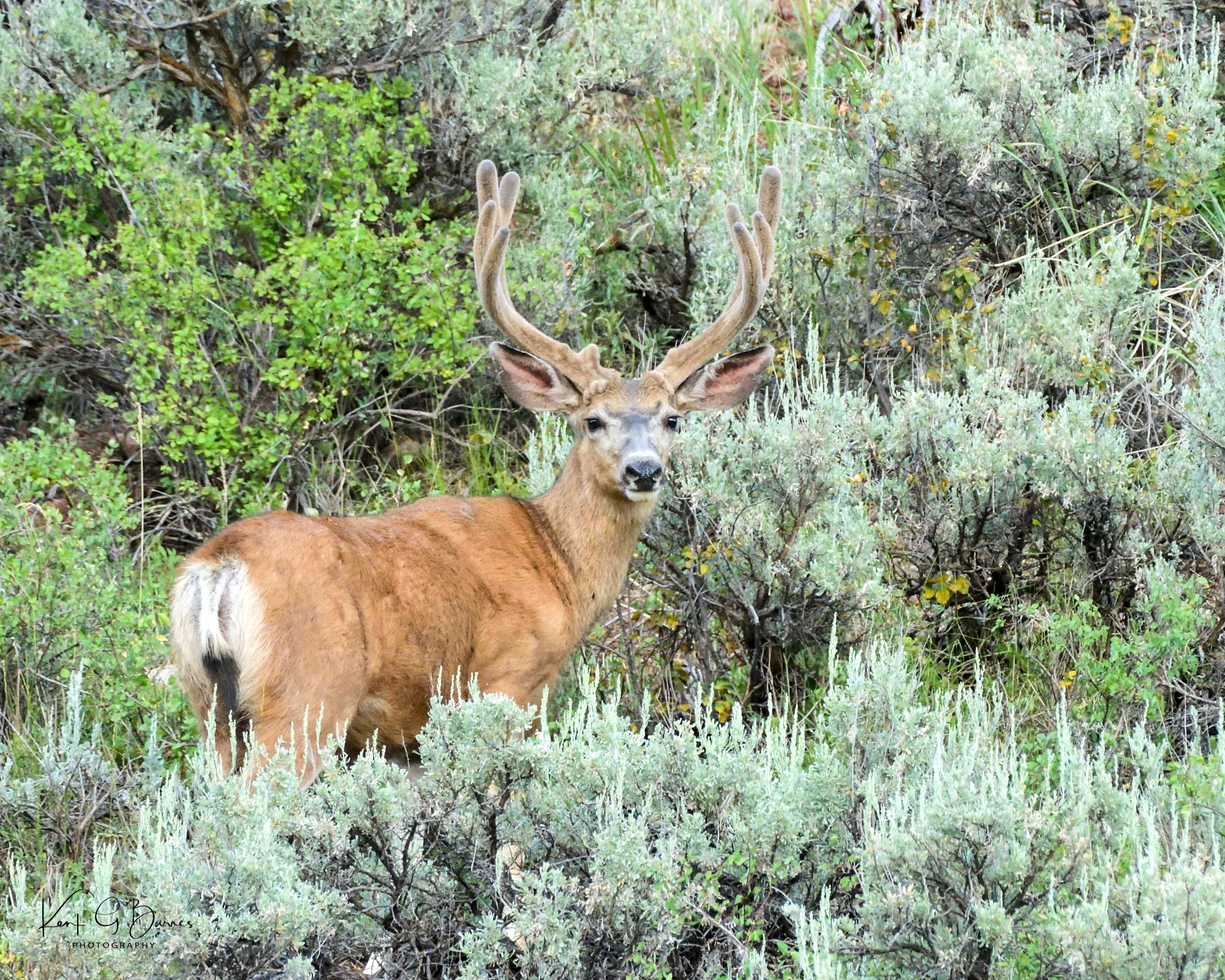
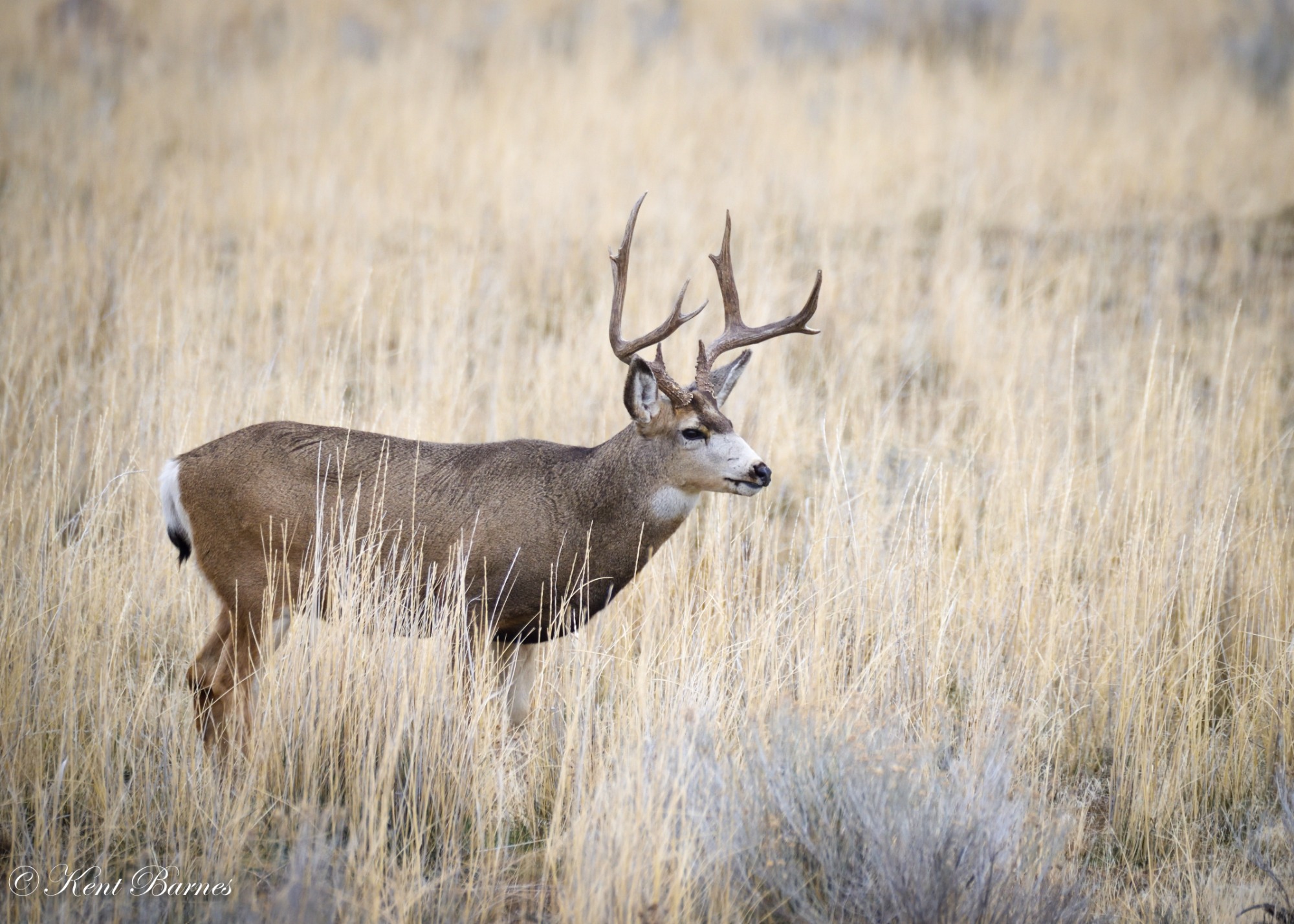
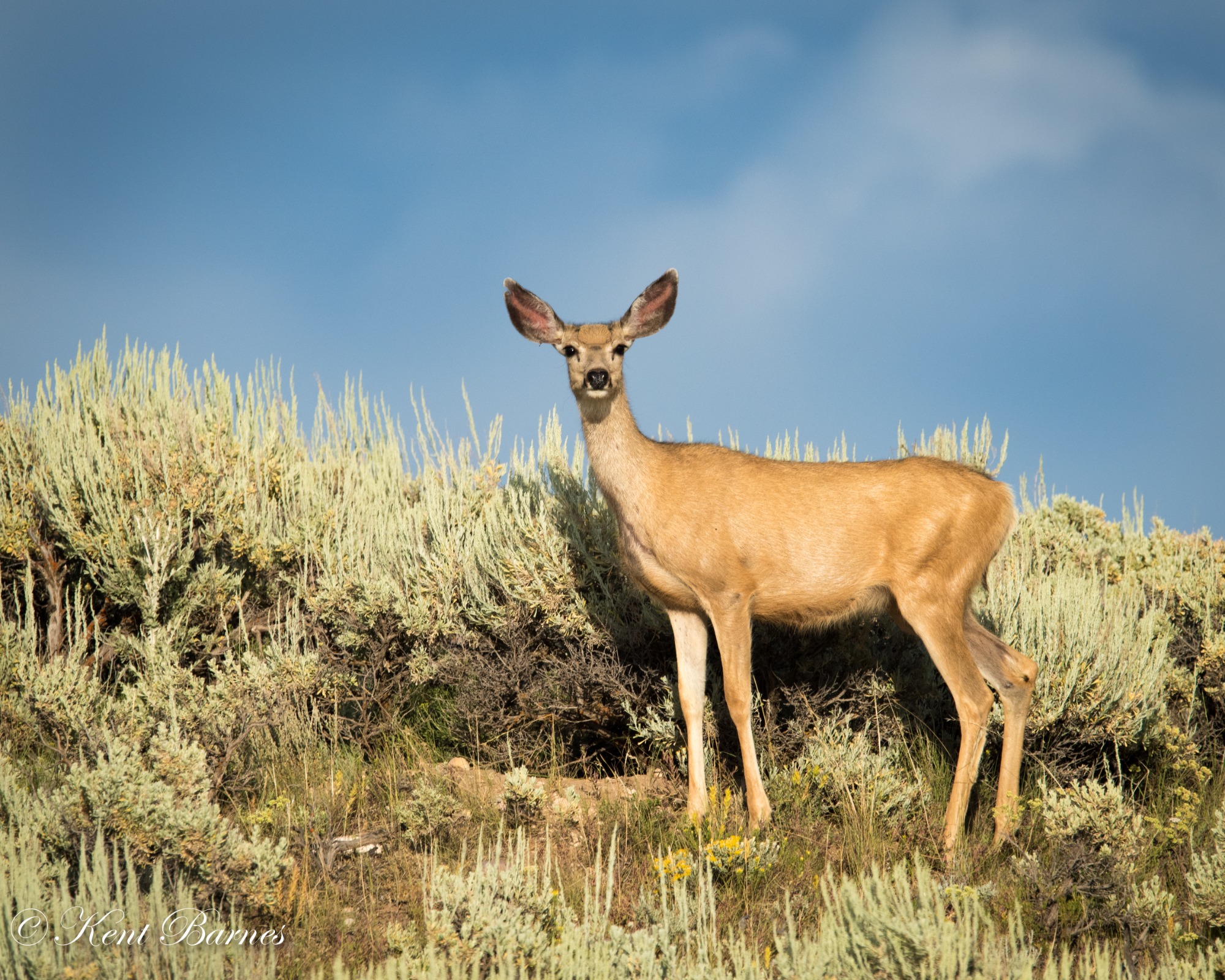
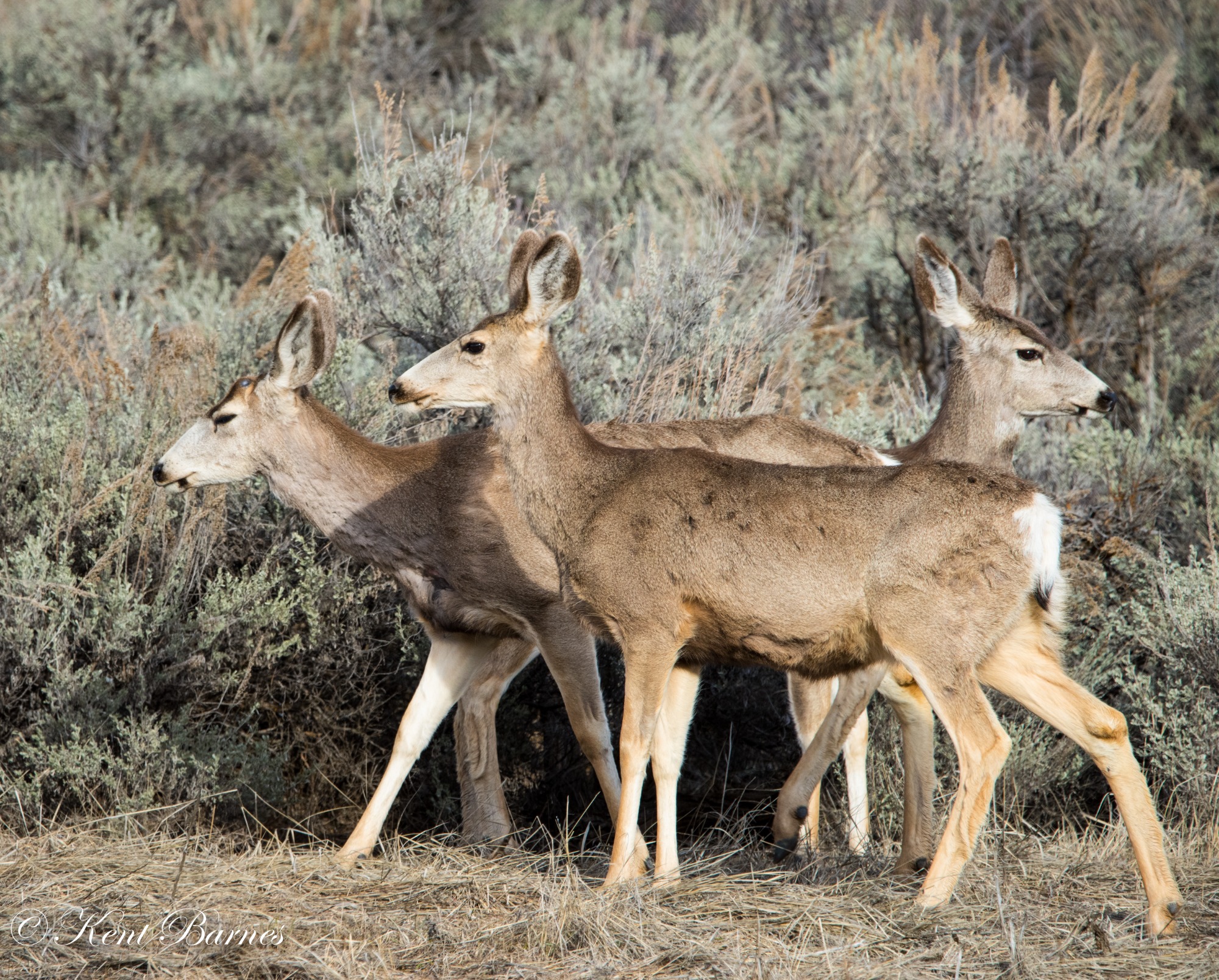
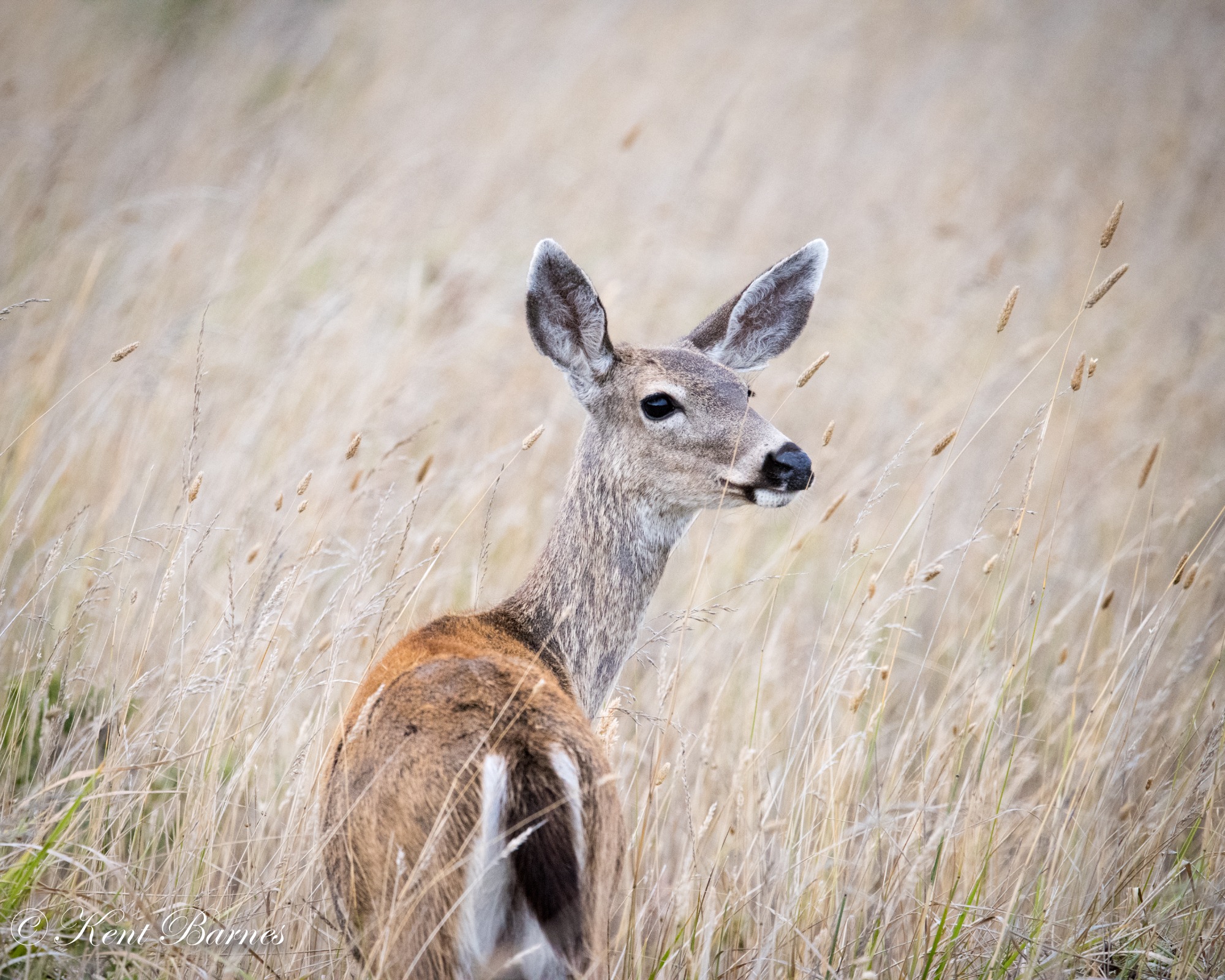
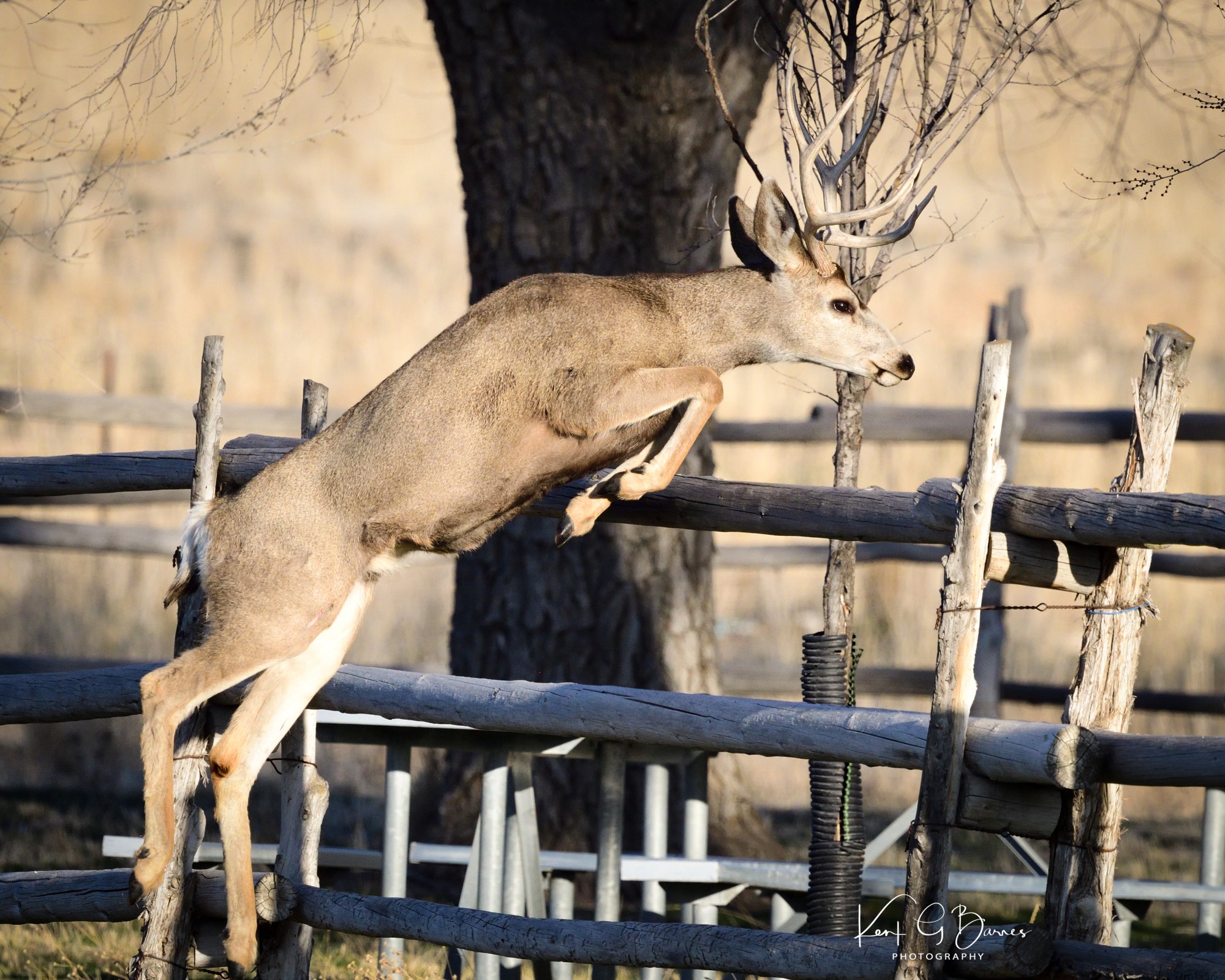
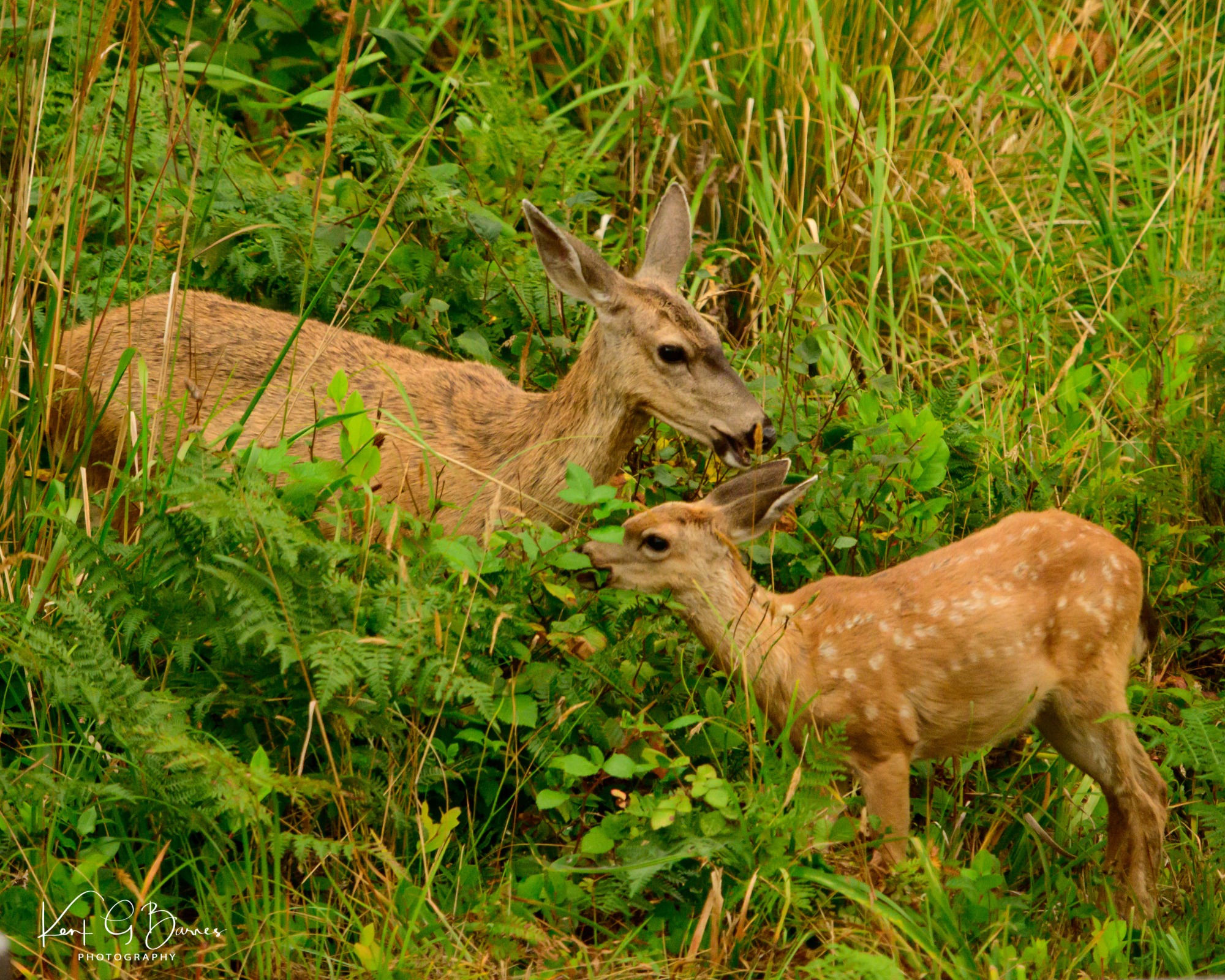
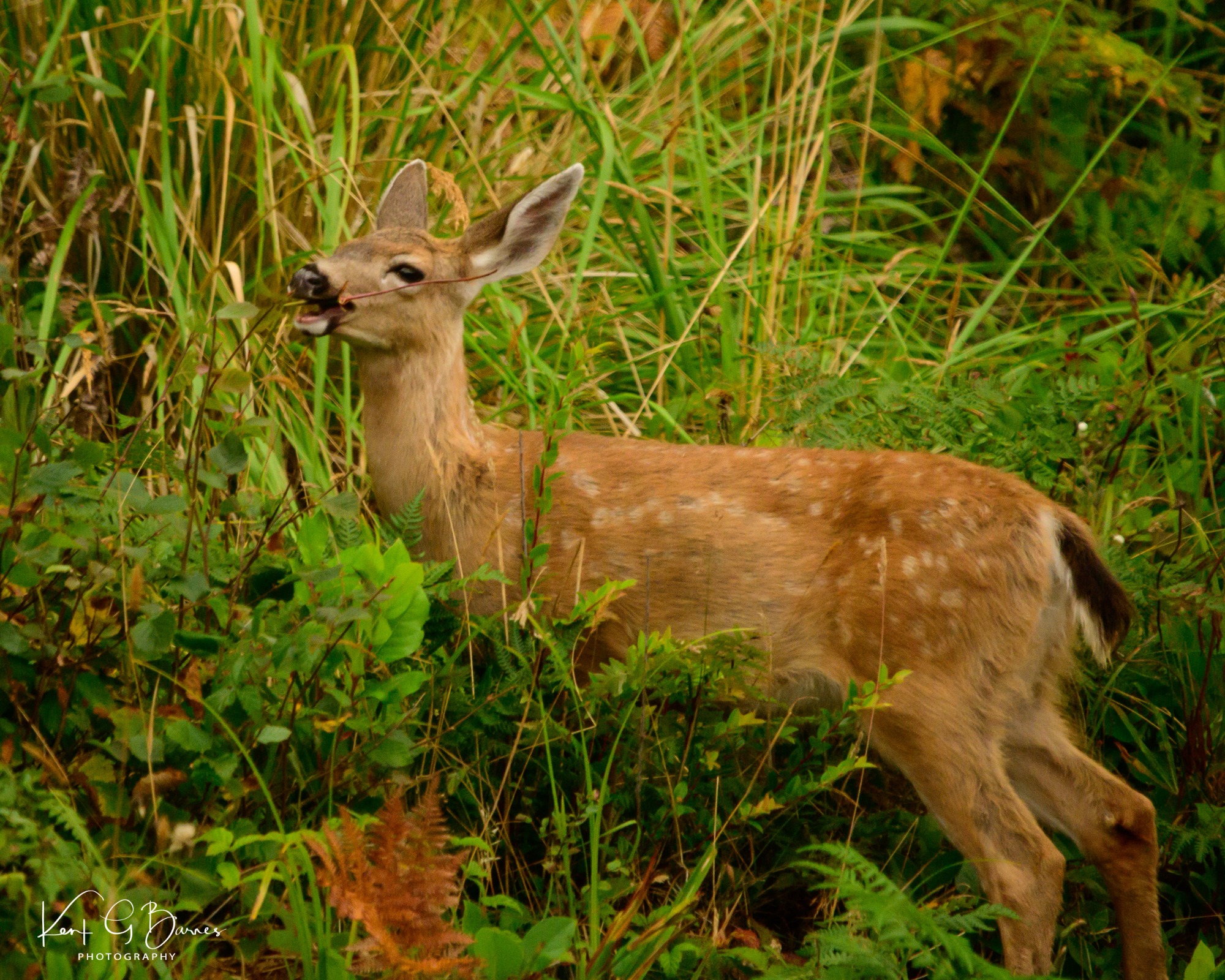
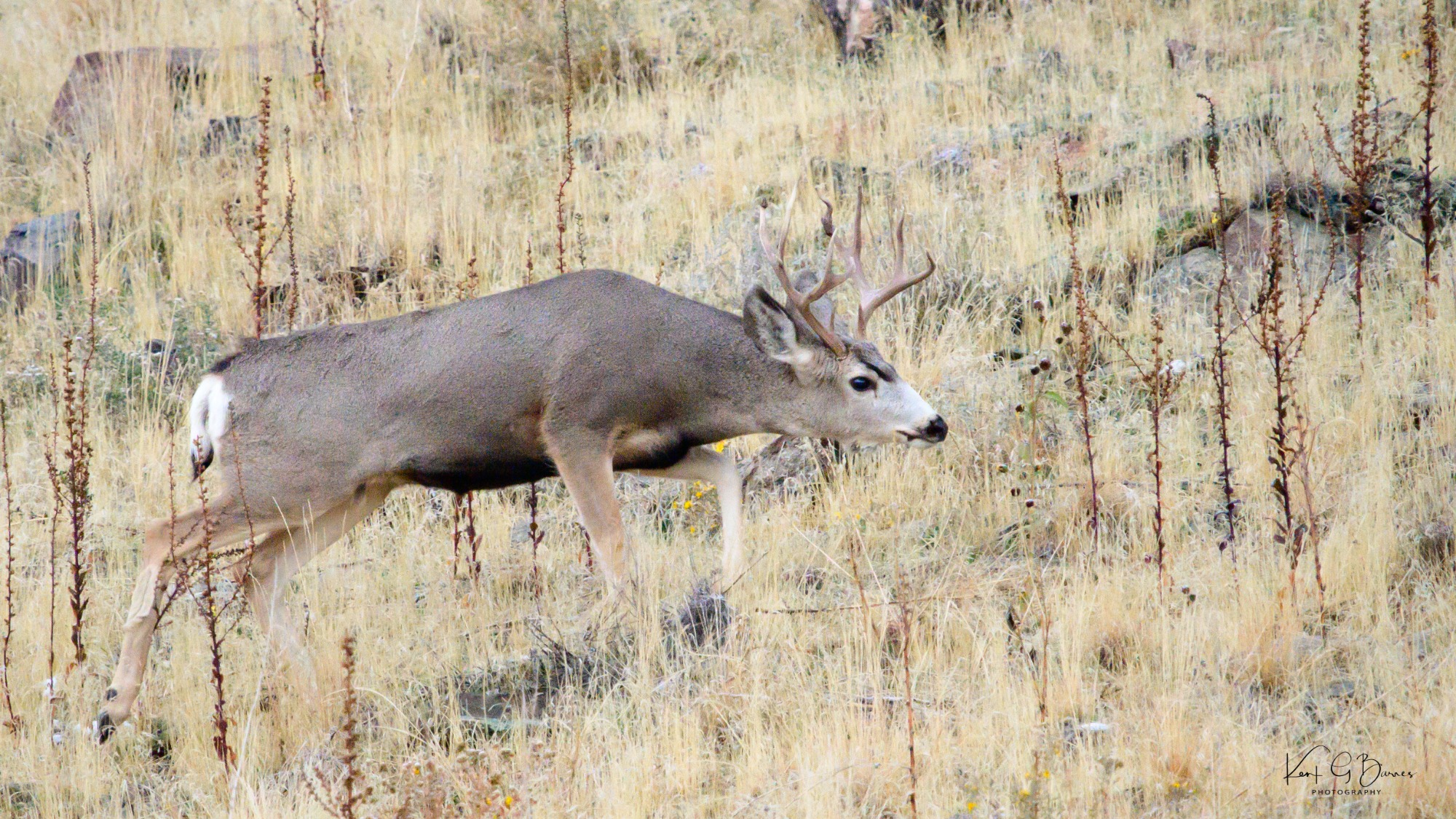
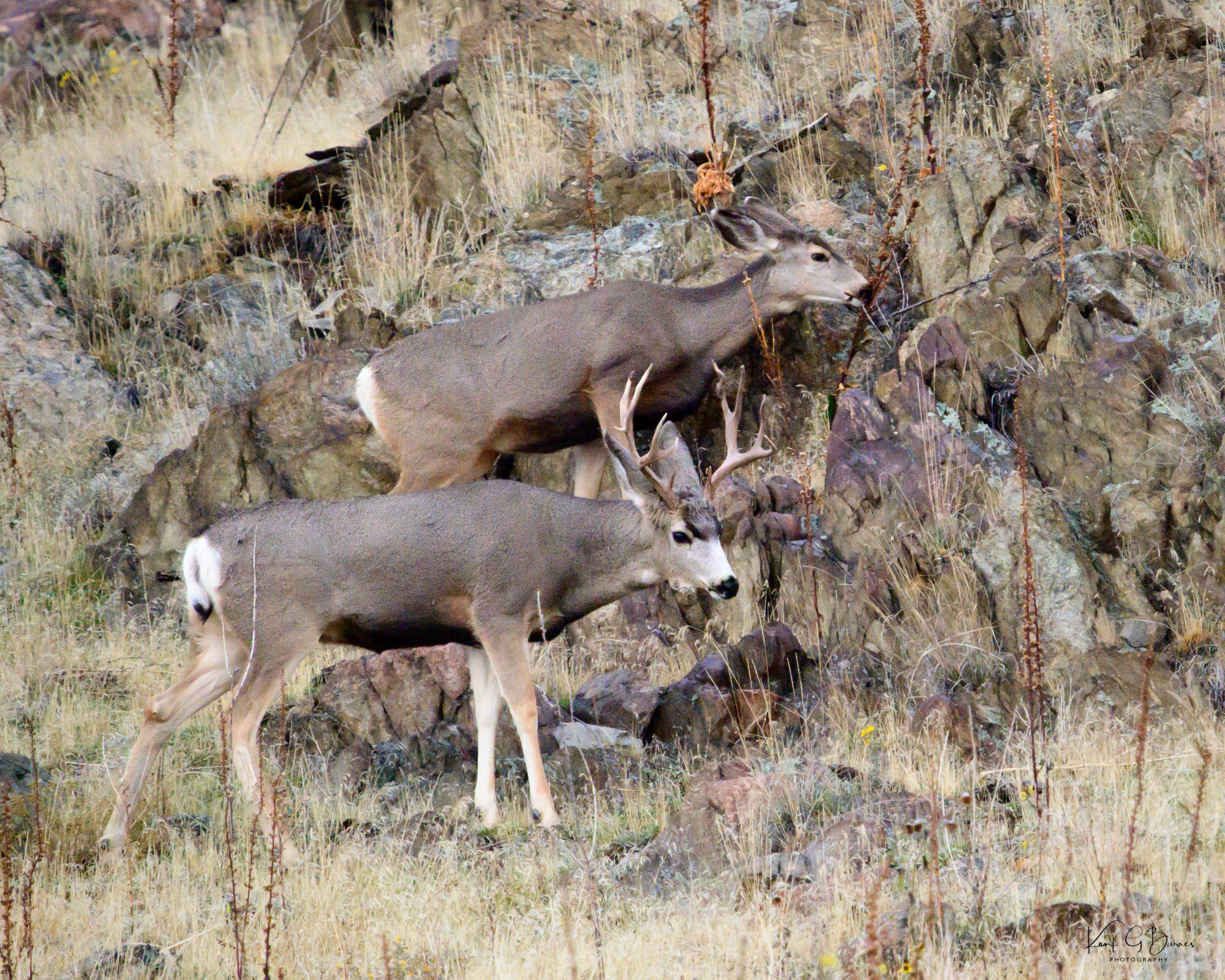
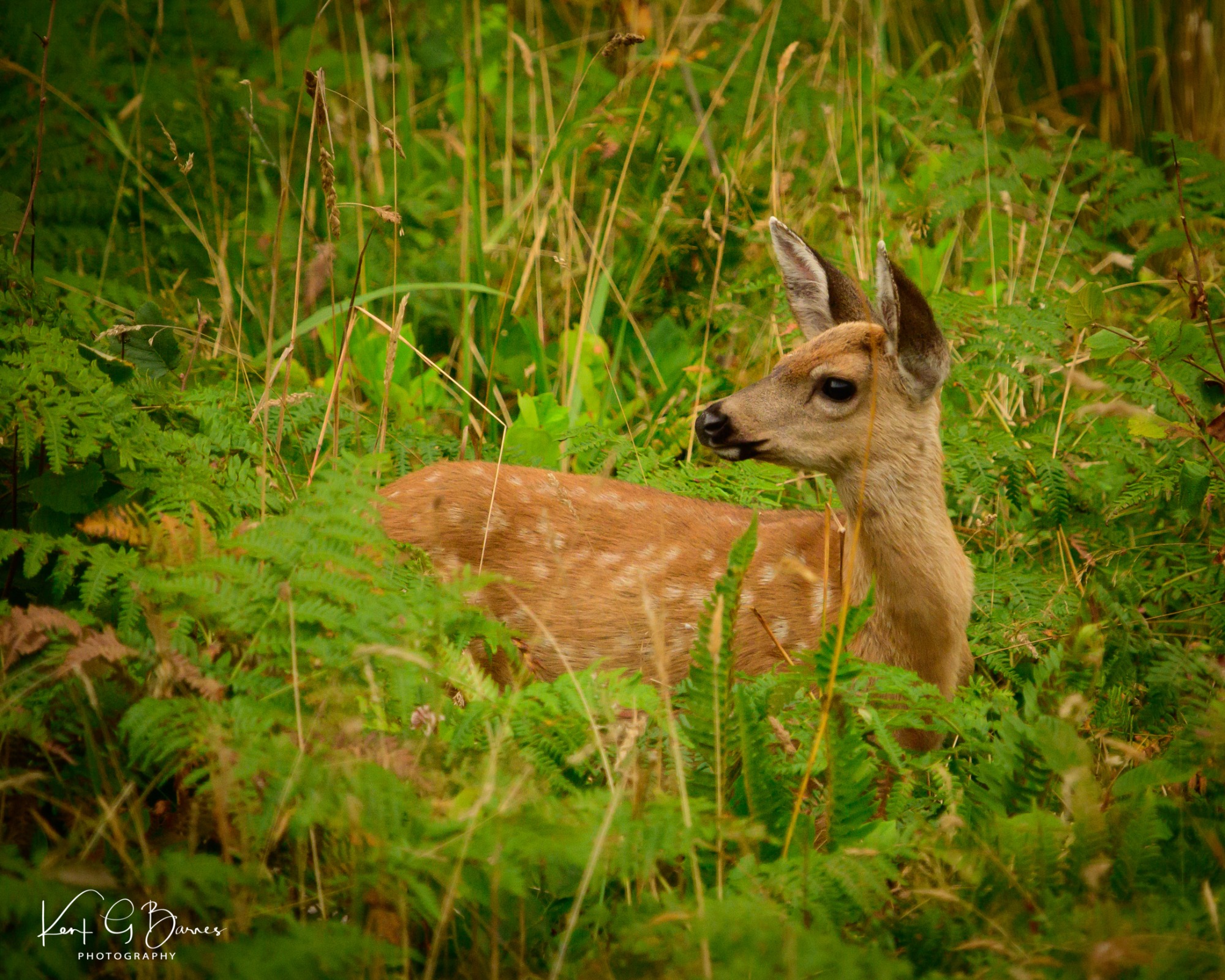
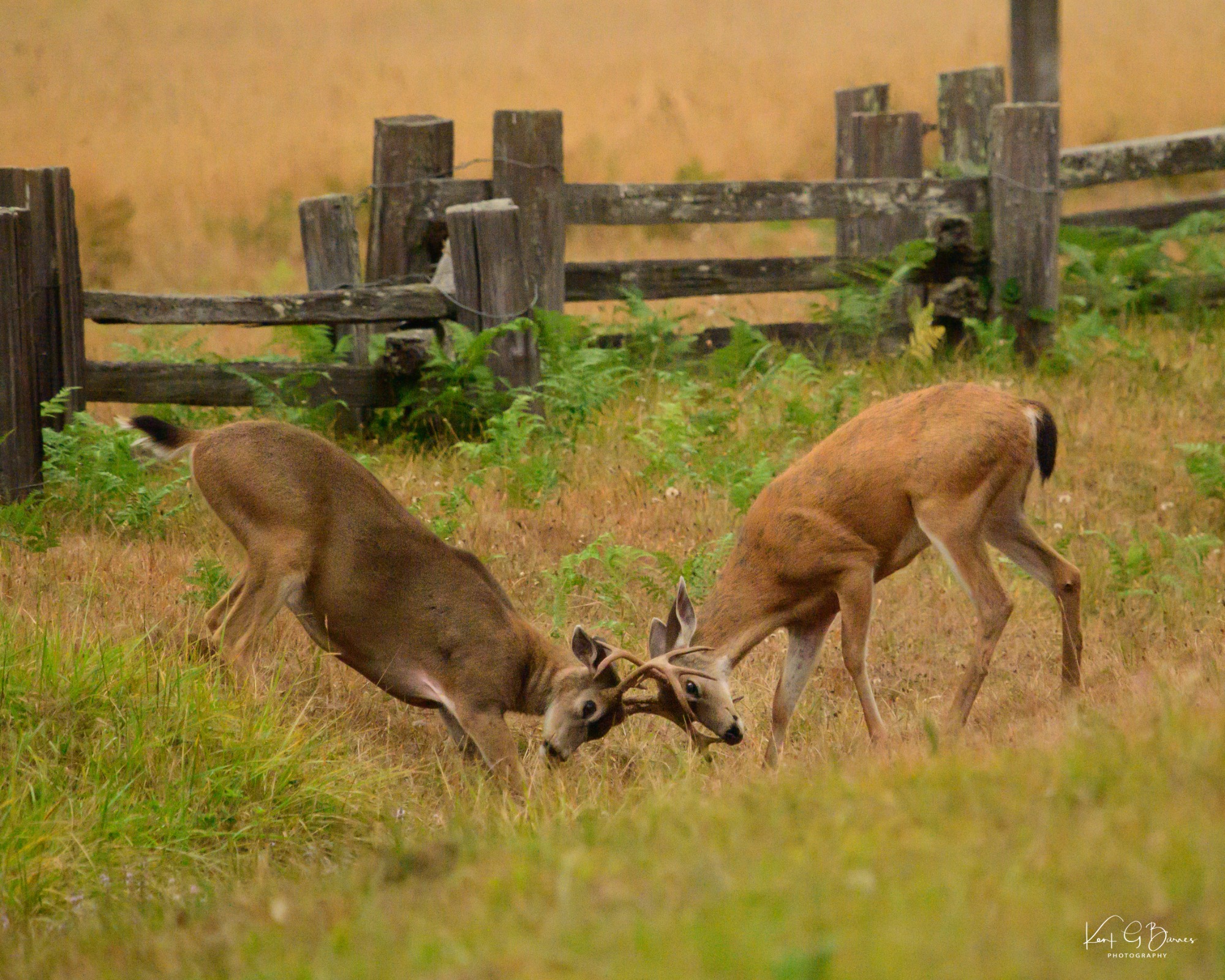
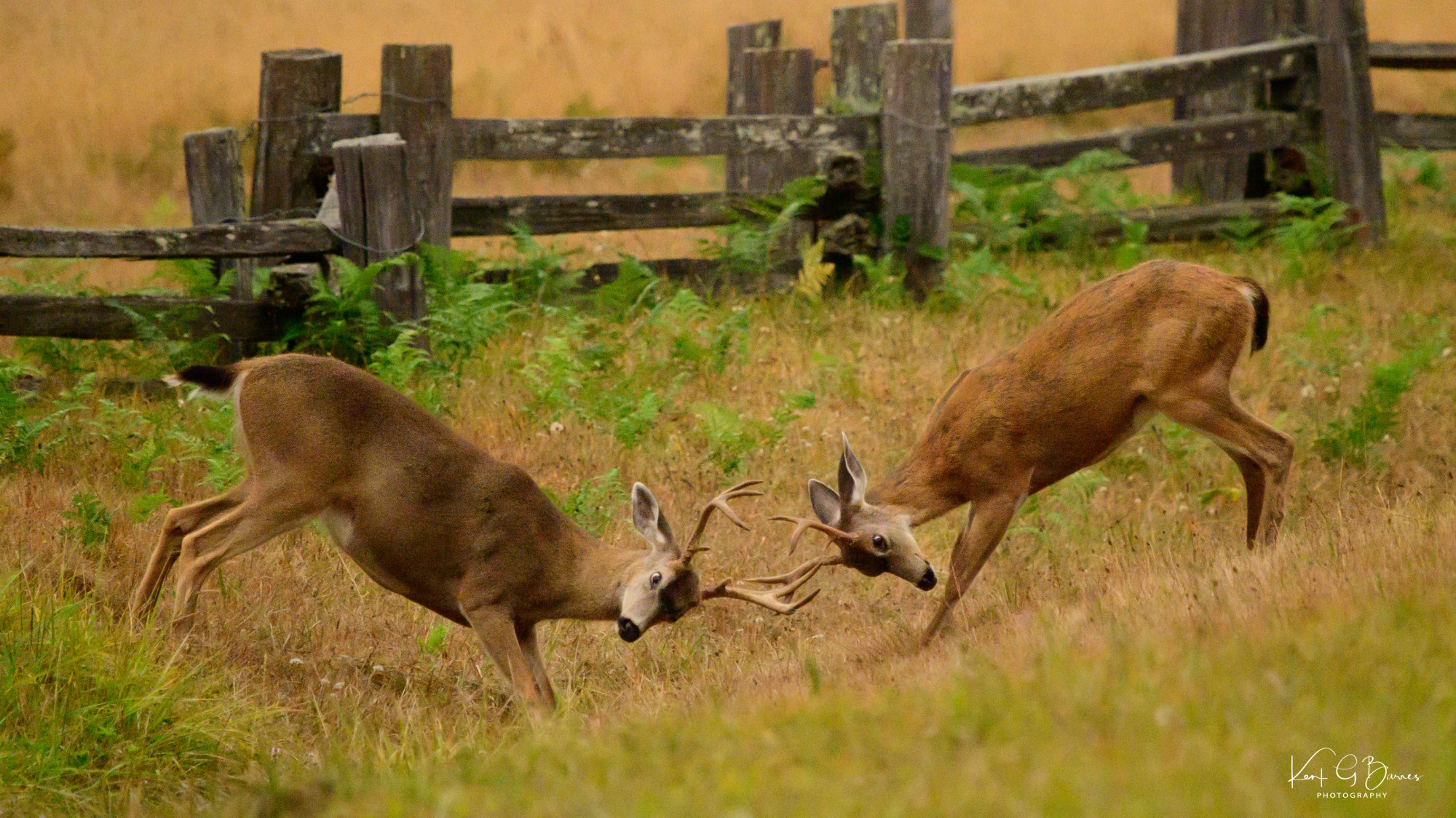
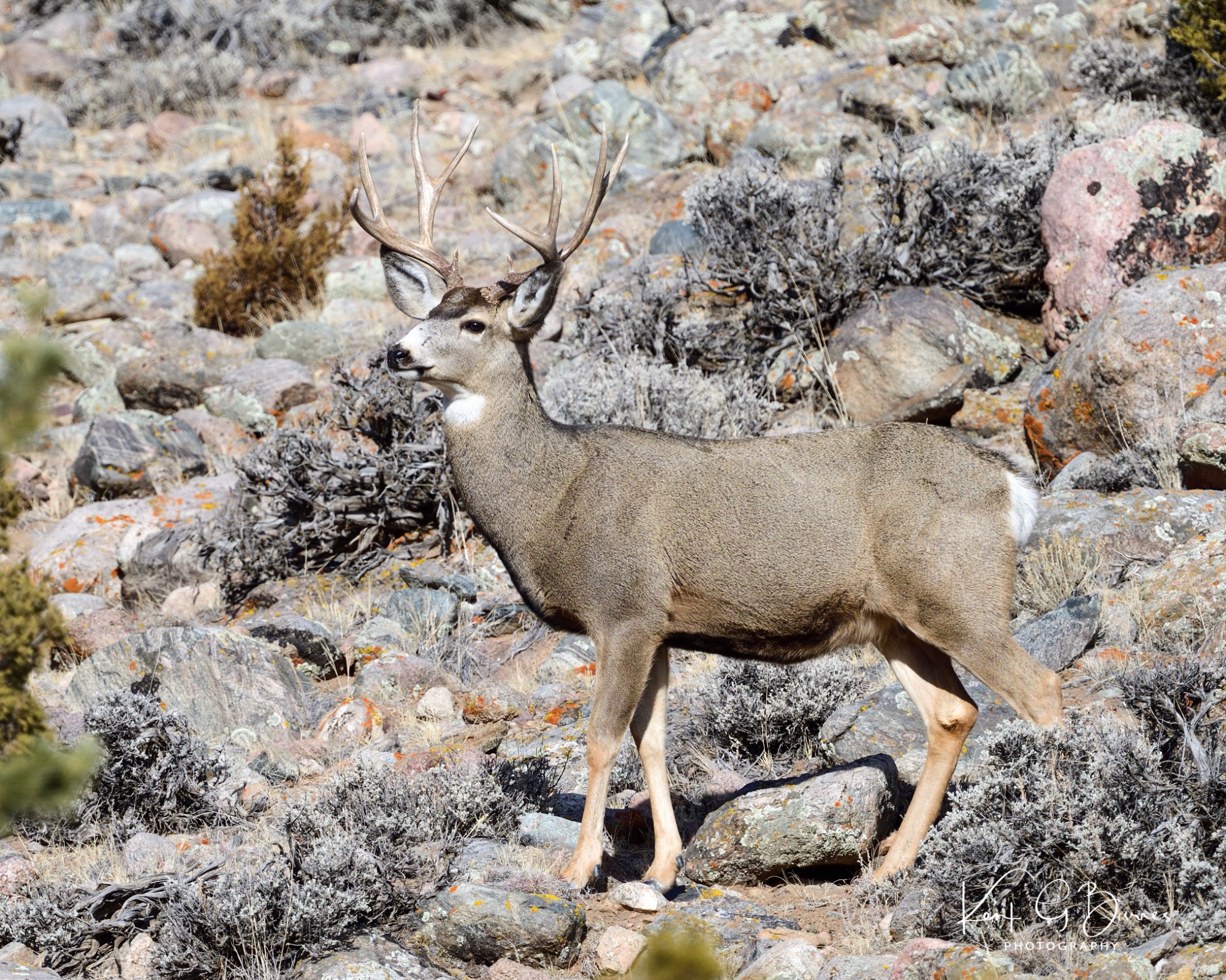
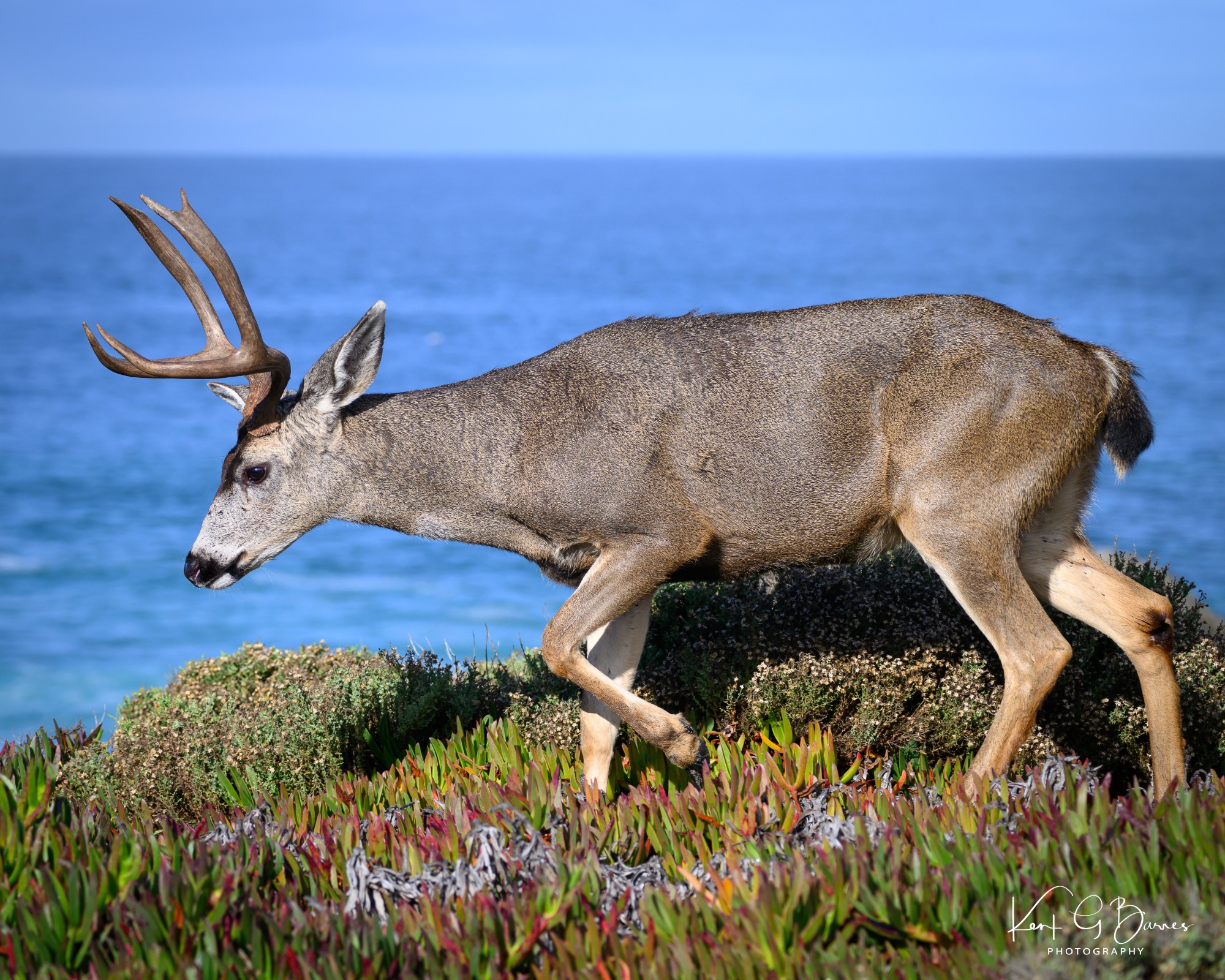
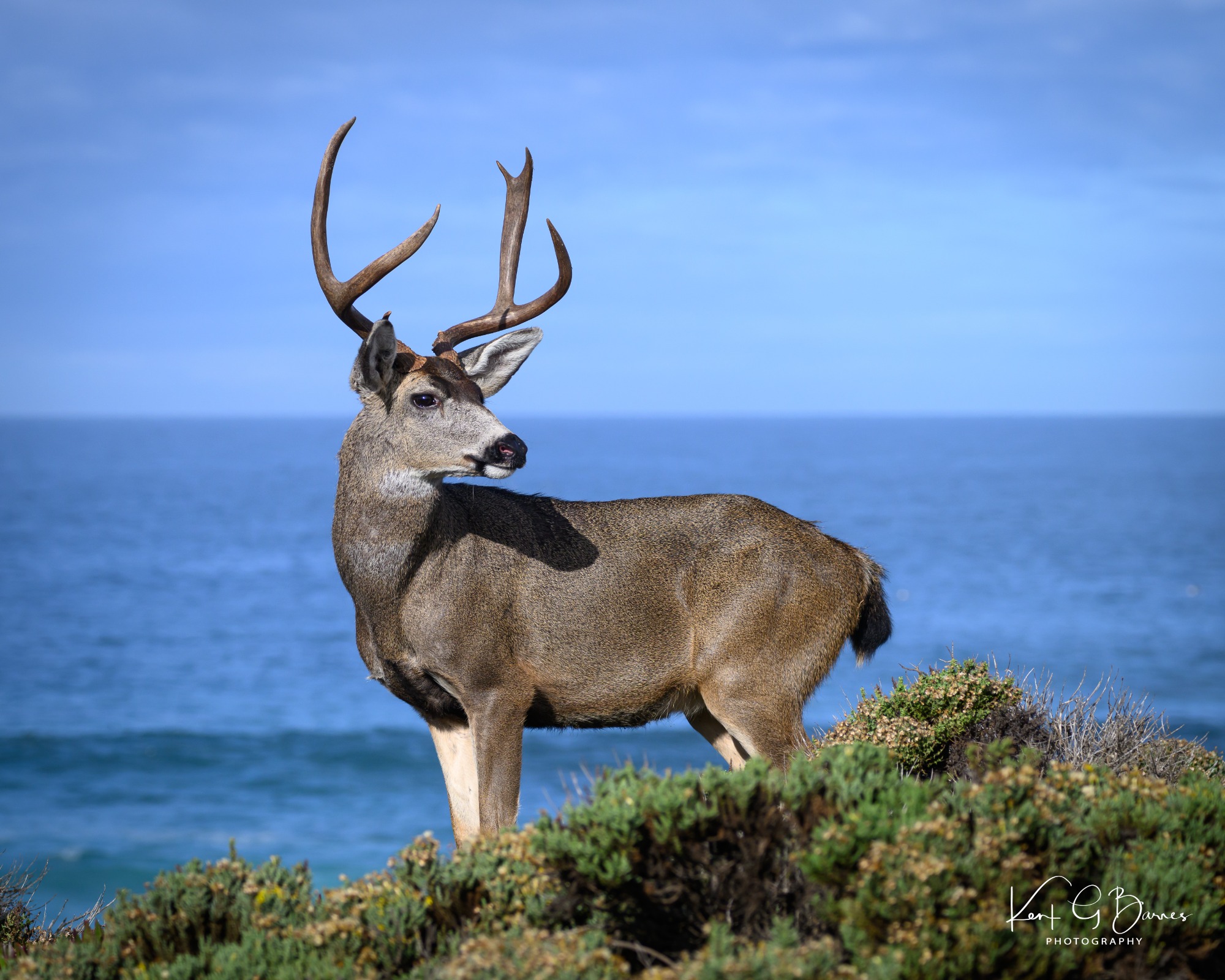
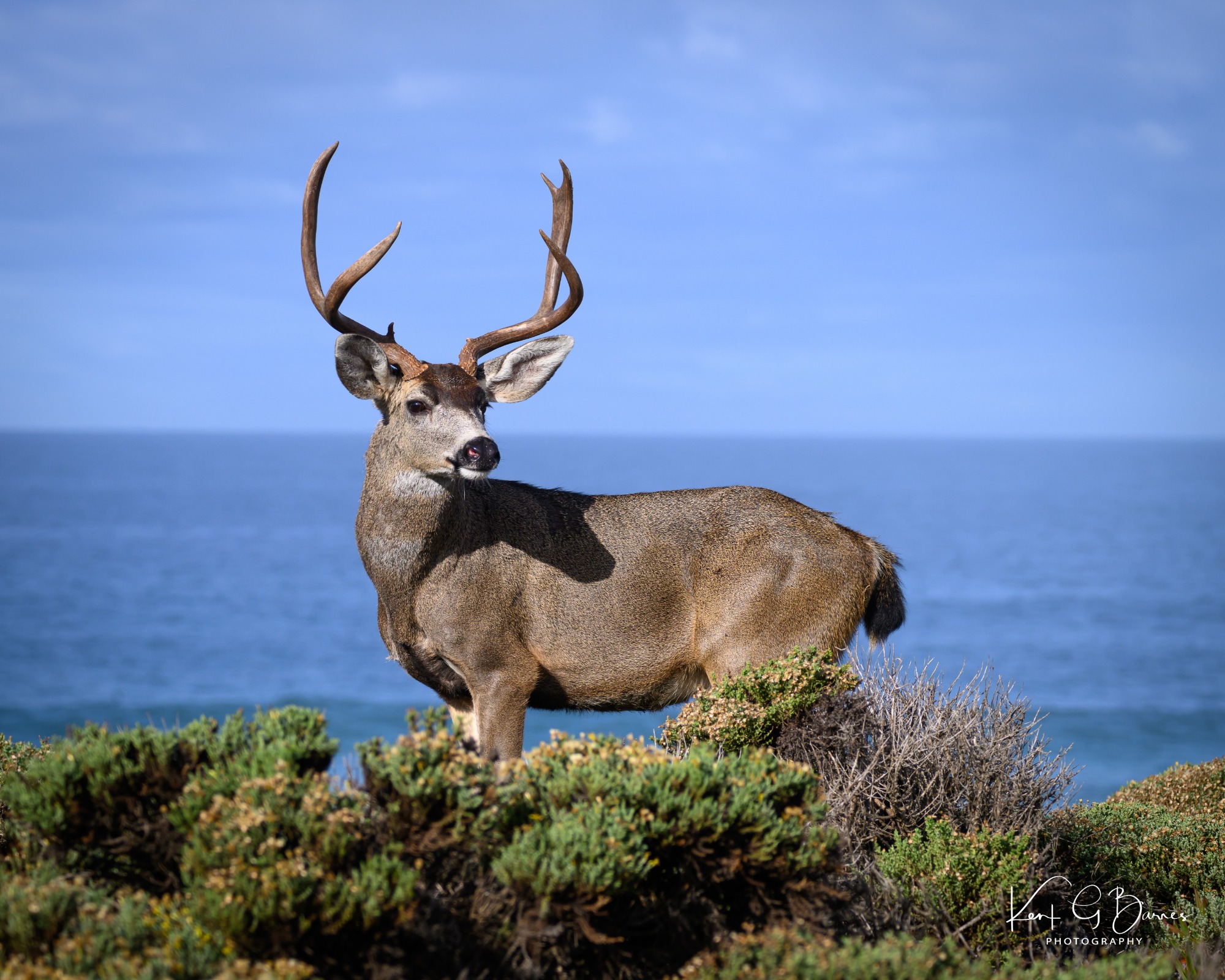
North America is home to a diverse array of deer species, with the mule deer being one of the most iconic. These majestic animals are primarily found in the western regions of the continent, thriving in areas ranging from forests to open plains. Known for their large ears and distinctive forked antlers, mule deer are typically active during dawn and dusk, making them perfect subjects for nature photography. In addition to mule deer, other species such as white-tailed deer and elk inhabit different regions across North America, each exhibiting unique behaviors and adaptations to their environments. Capturing the grace and beauty of these creatures in their natural habitats not only showcases the splendor of North American wildlife but also plays a crucial role in promoting conservation efforts.
Where the Buffalo Roam
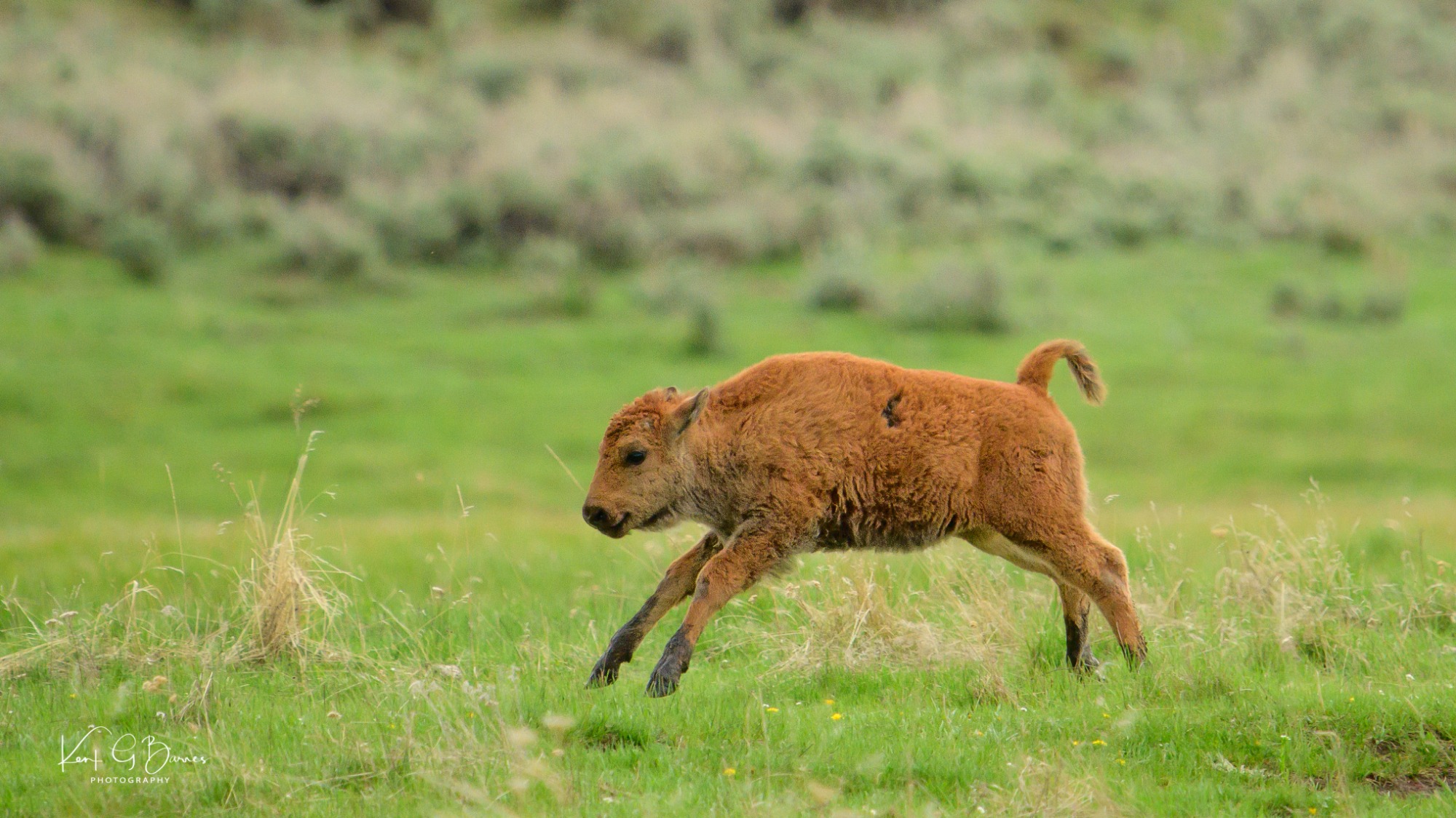
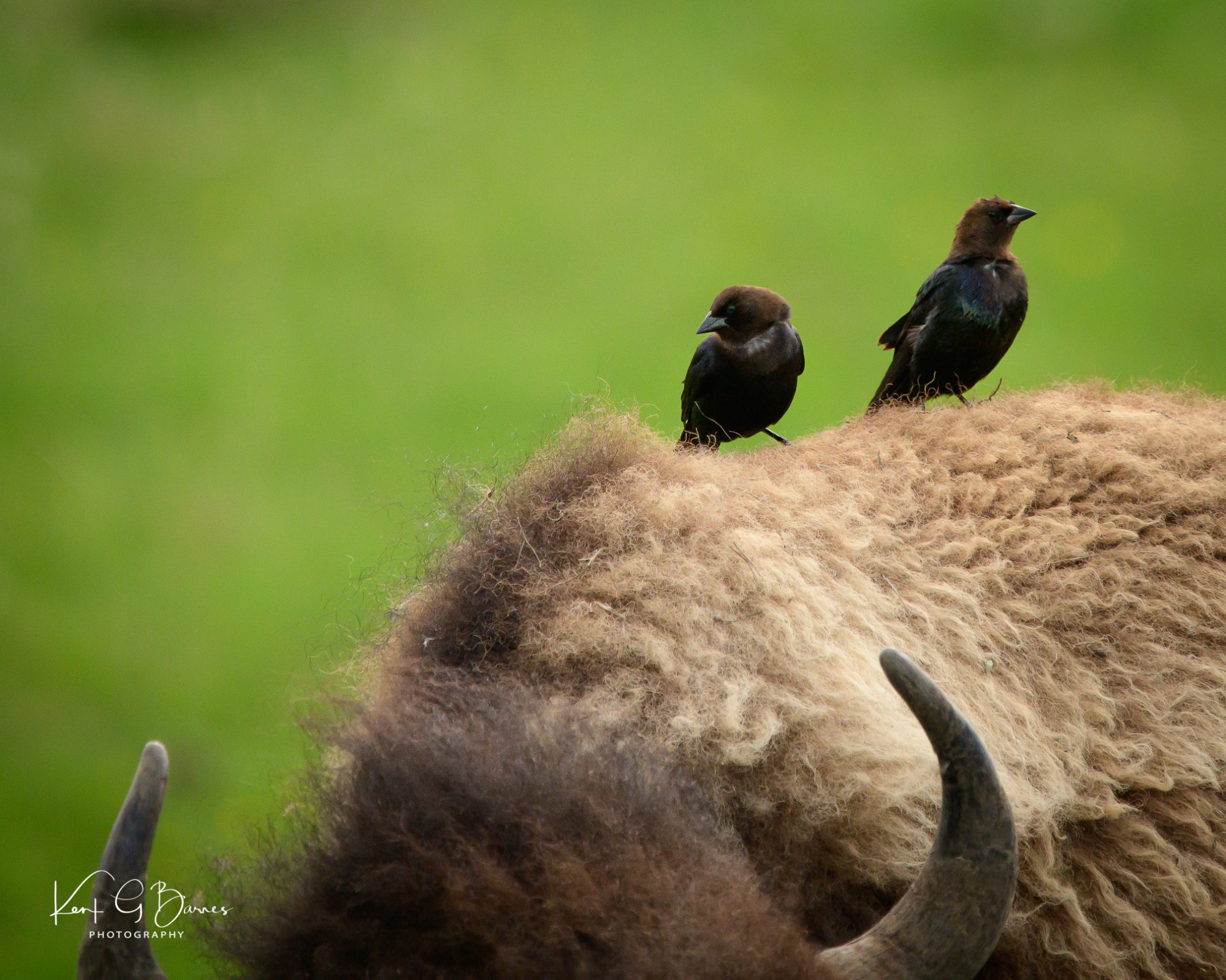
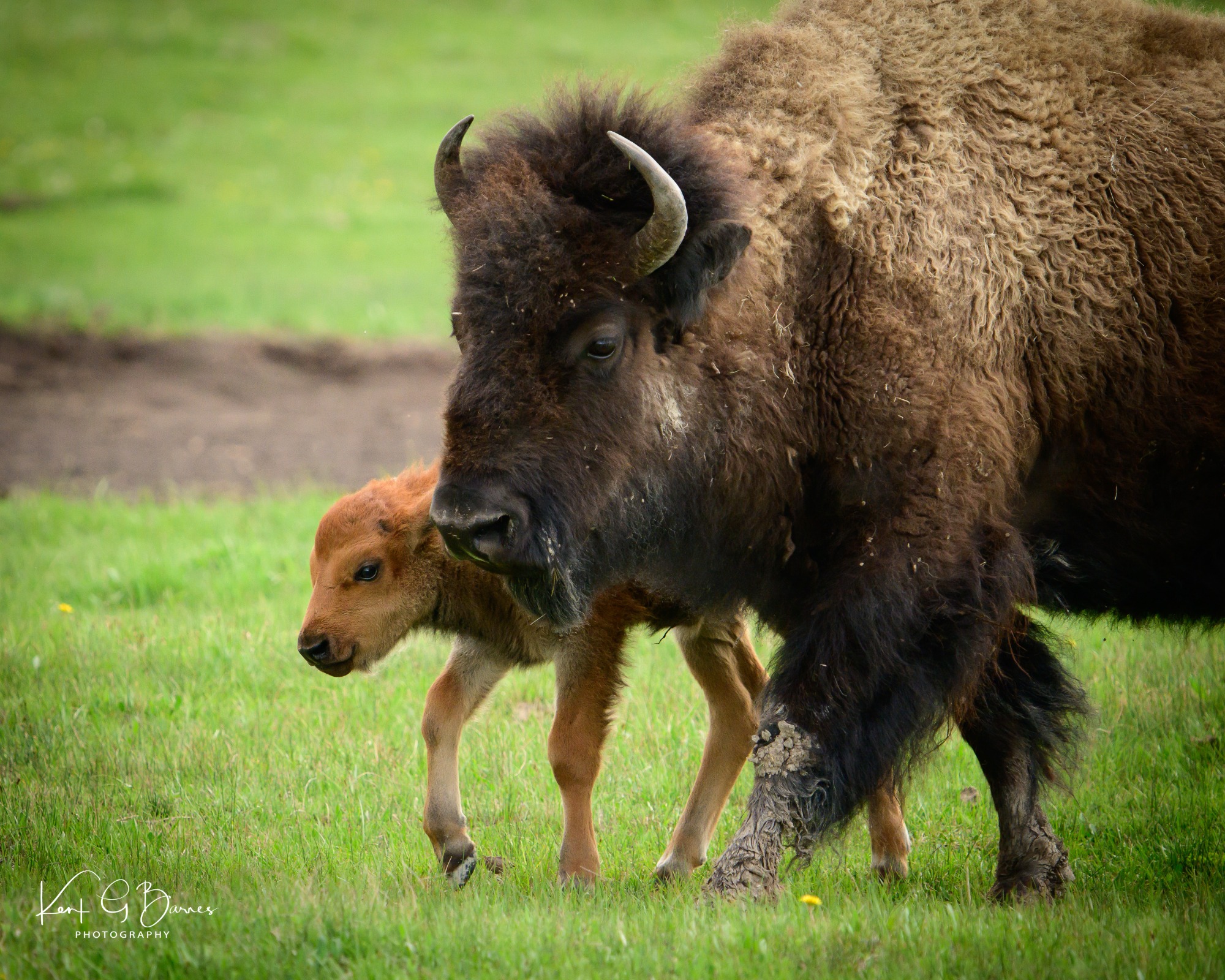
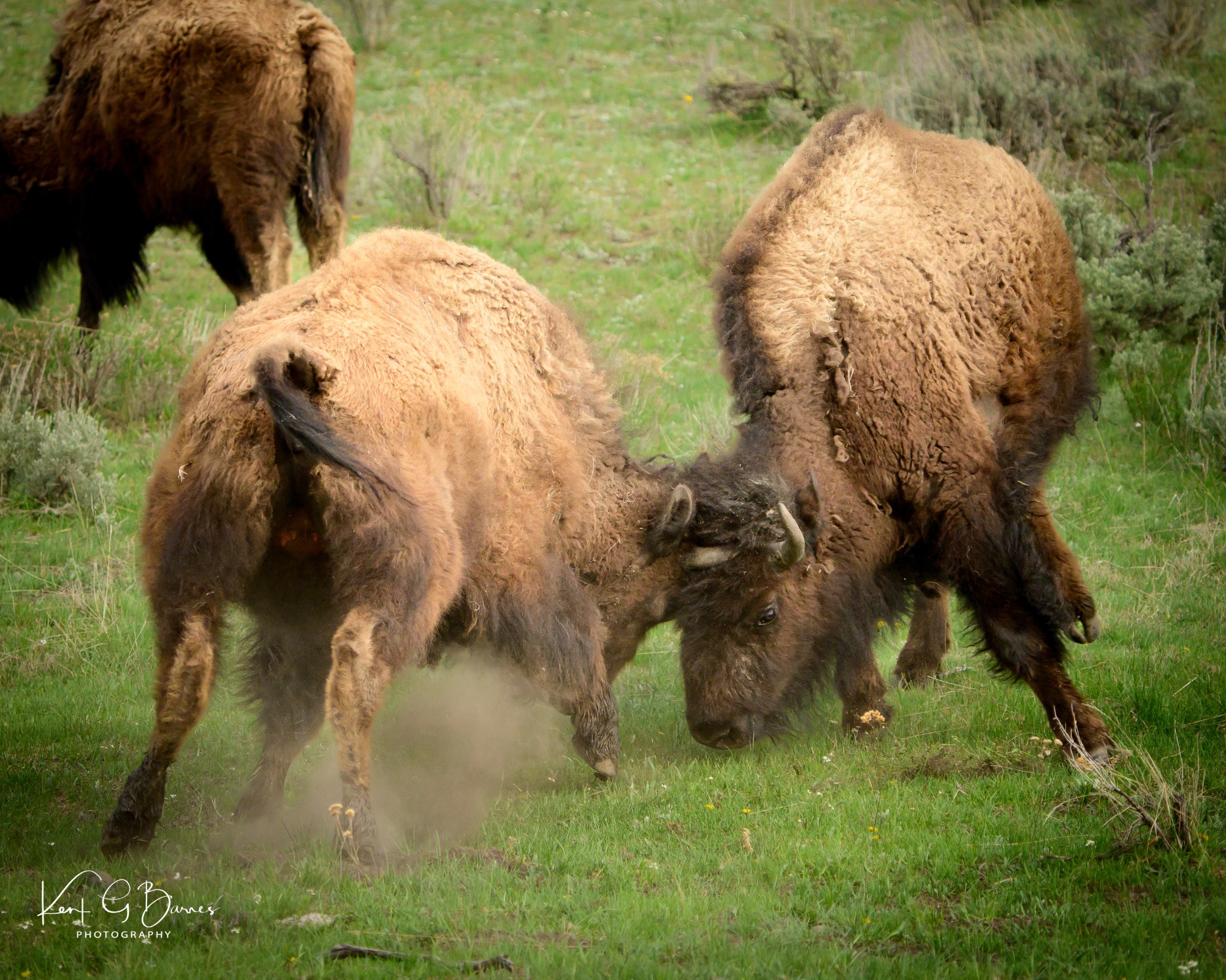
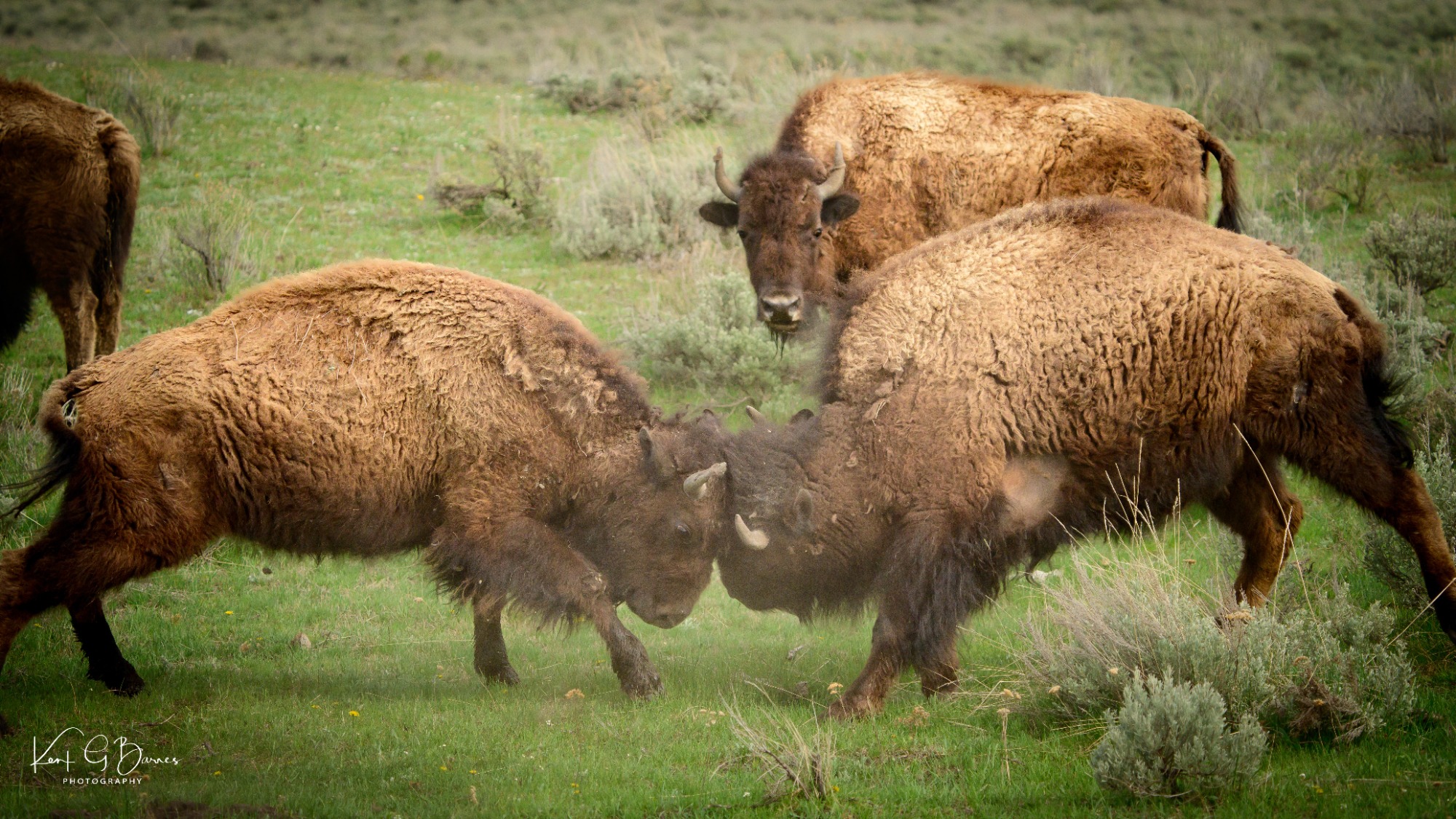
The North American bison, also known as the American buffalo, is a magnificent symbol of the continent's wildlife and a crucial part of its ecological heritage. These towering, shaggy herbivores roam the plains and grasslands, once numbering in the millions before European settlement drastically reduced their population. Today, bison are celebrated for their strength and grace, making them a captivating subject for nature photography. Their presence not only represents the rich history of Indigenous cultures but also underscores the importance of conservation efforts. Capturing stunning images of bison enables nature enthusiasts to cherish the essence of the American wilderness.
Moose
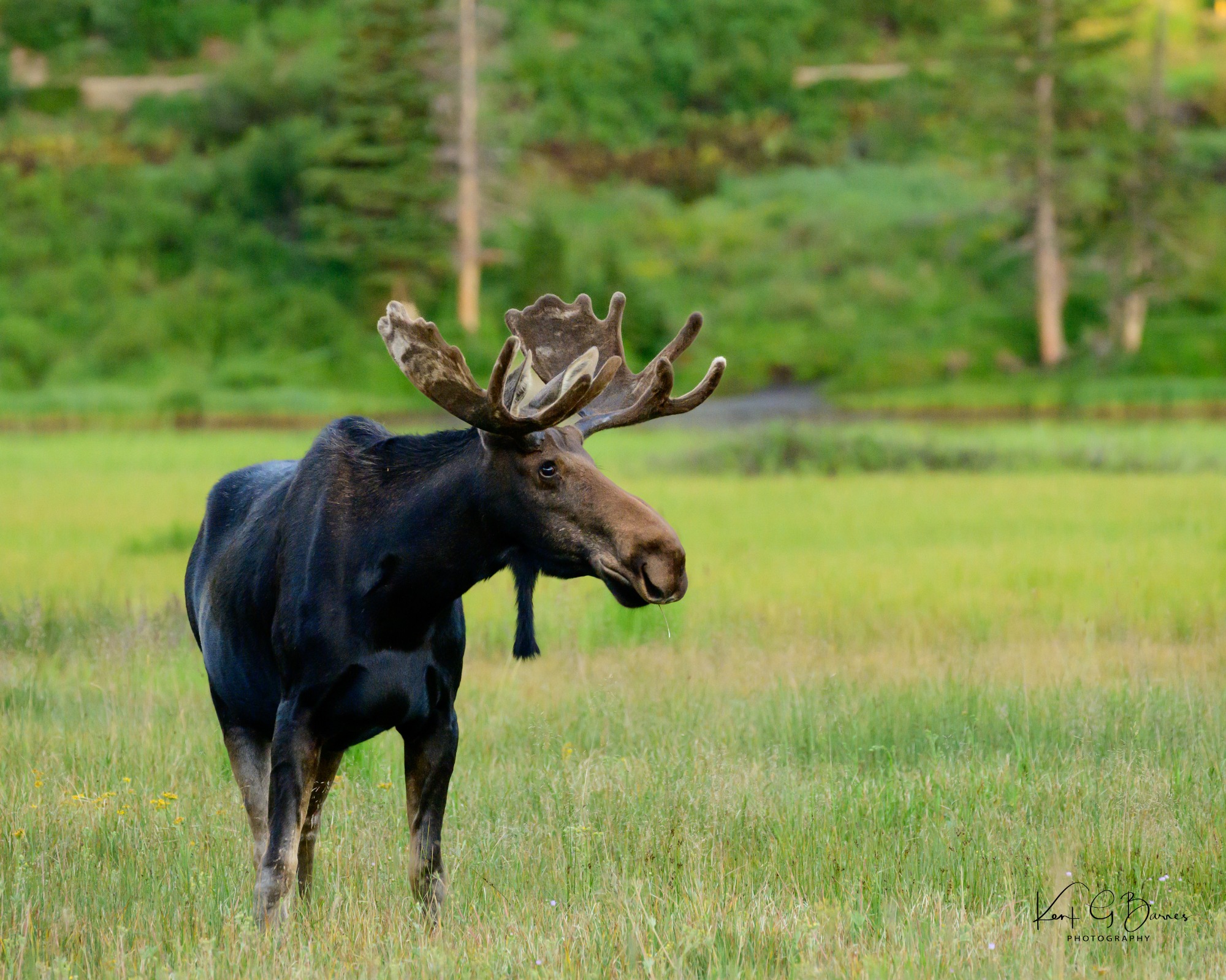
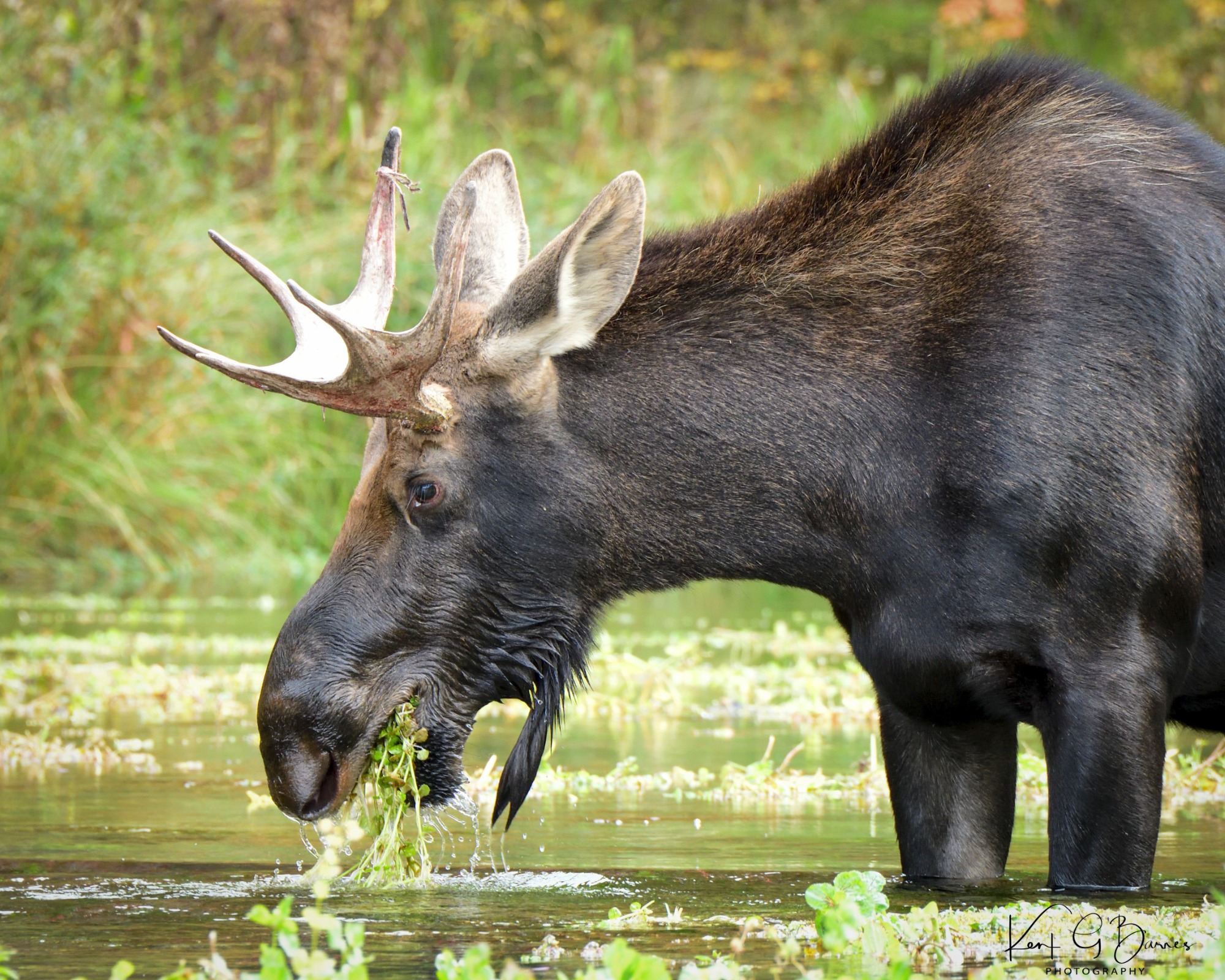
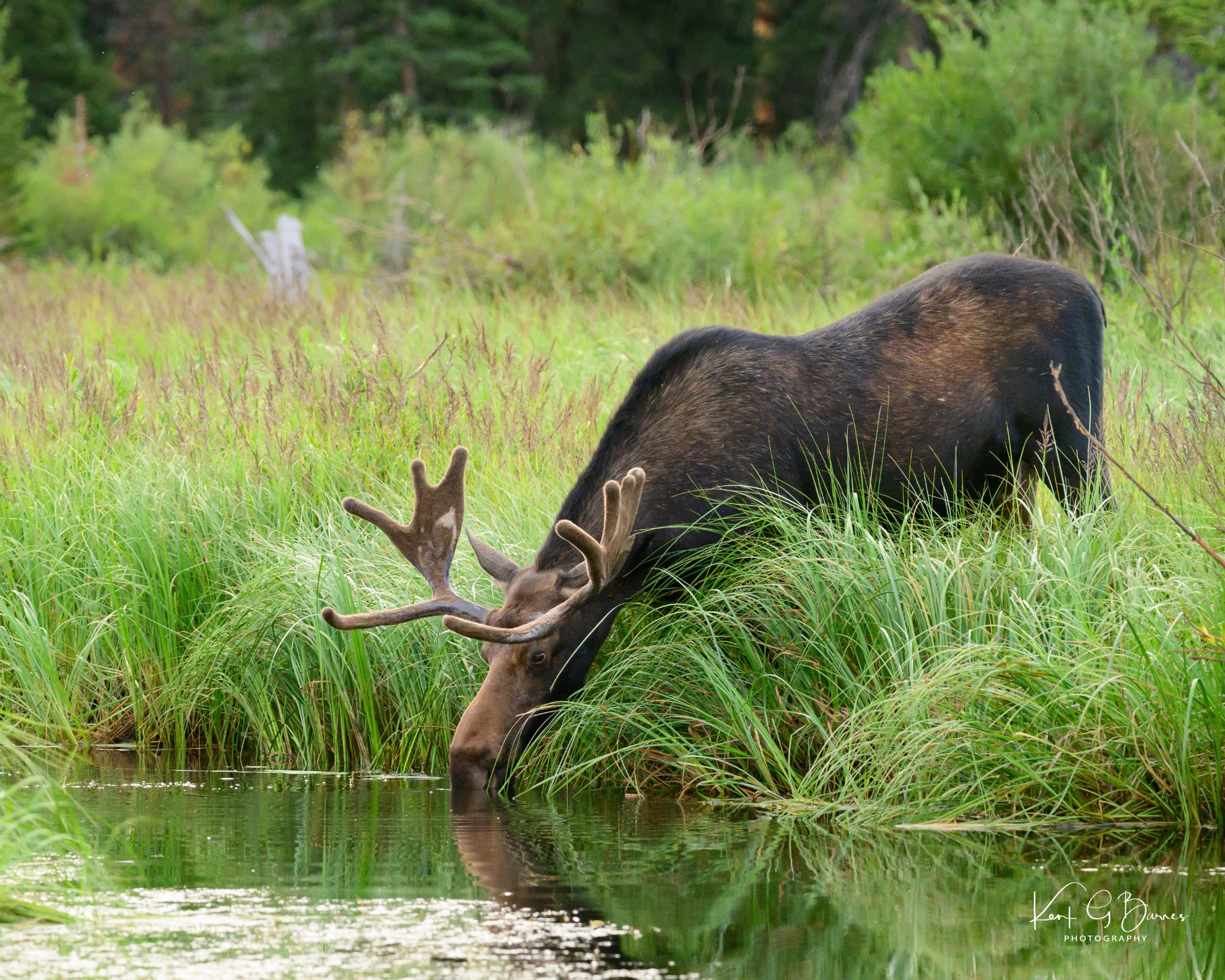
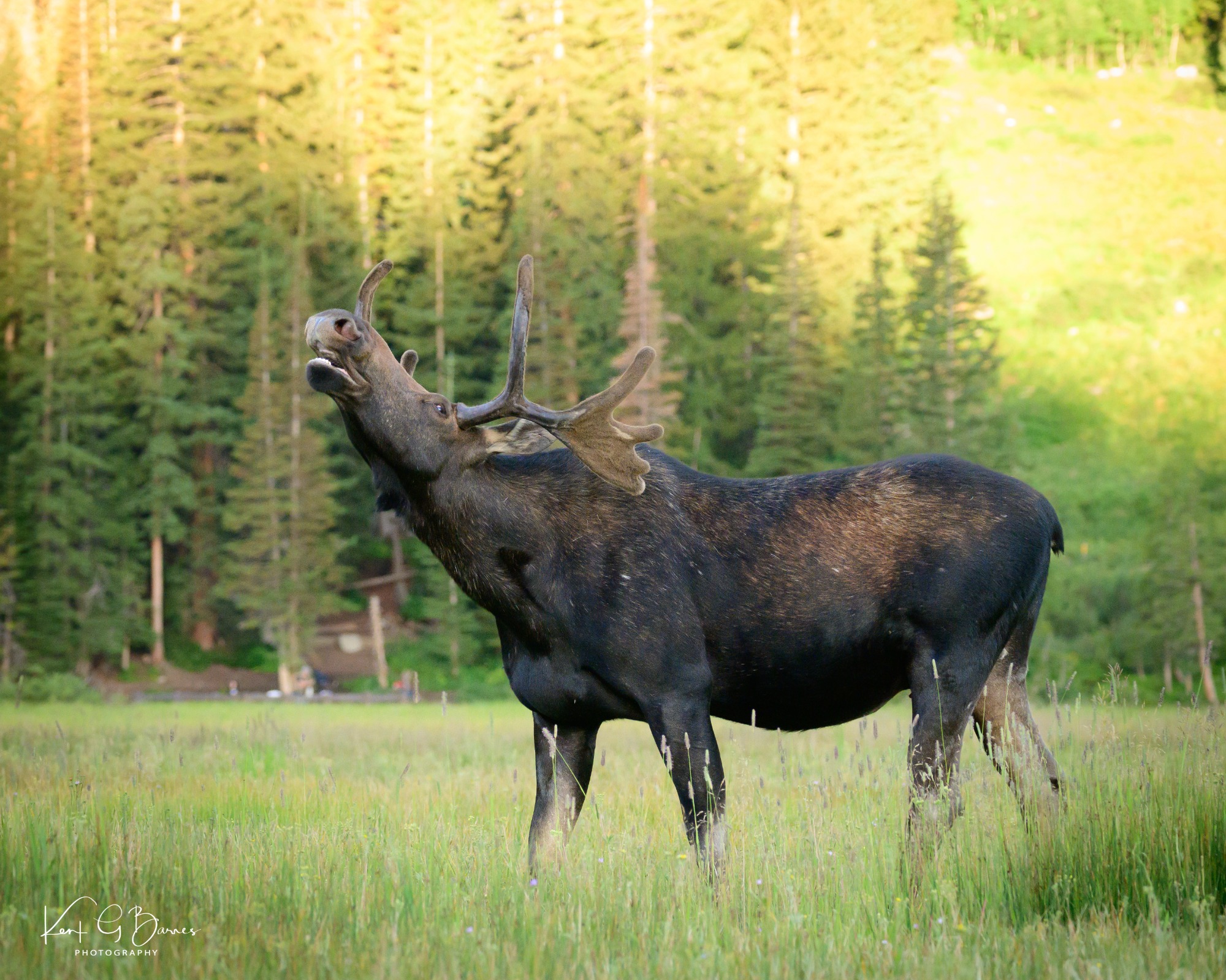
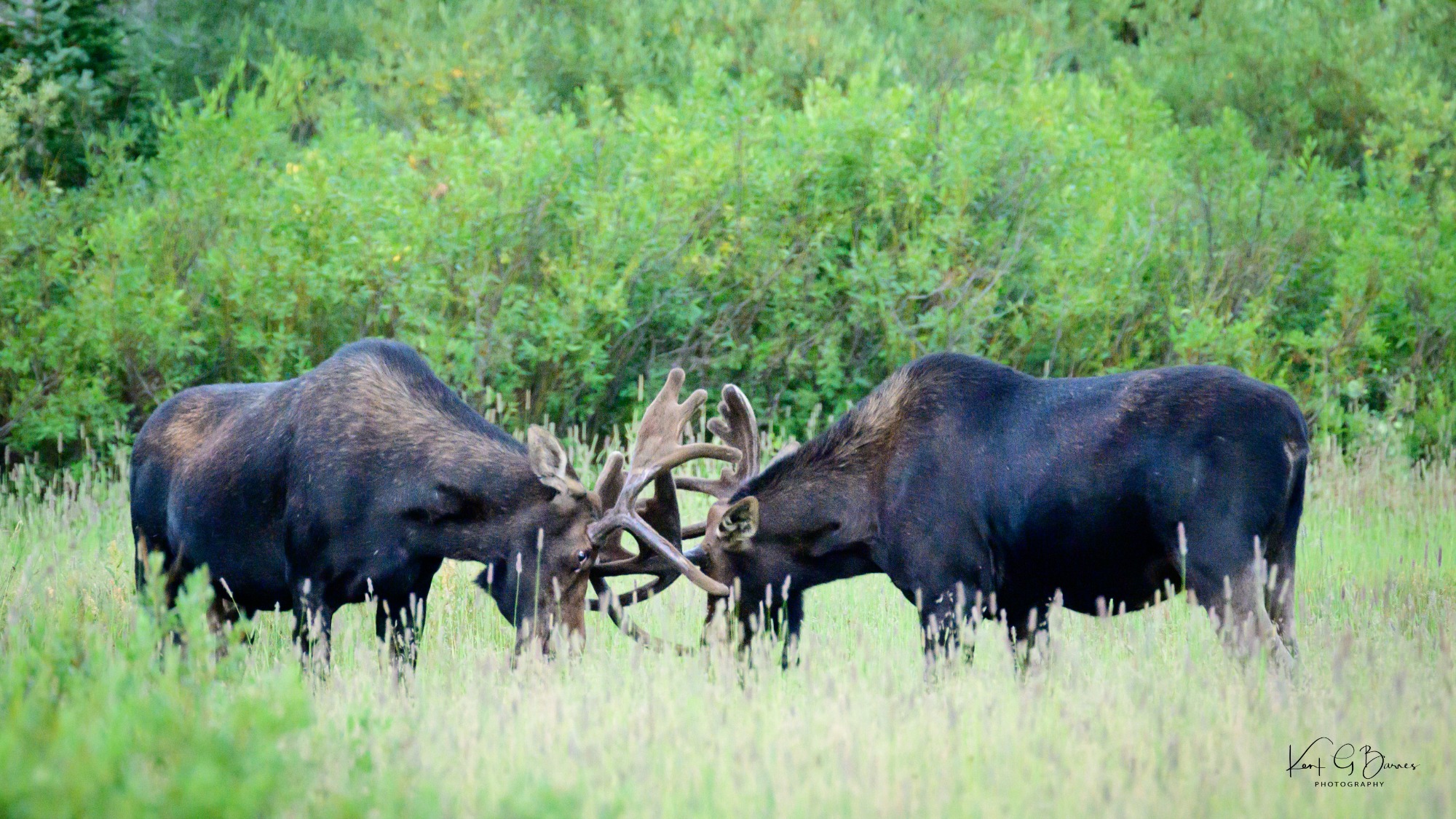
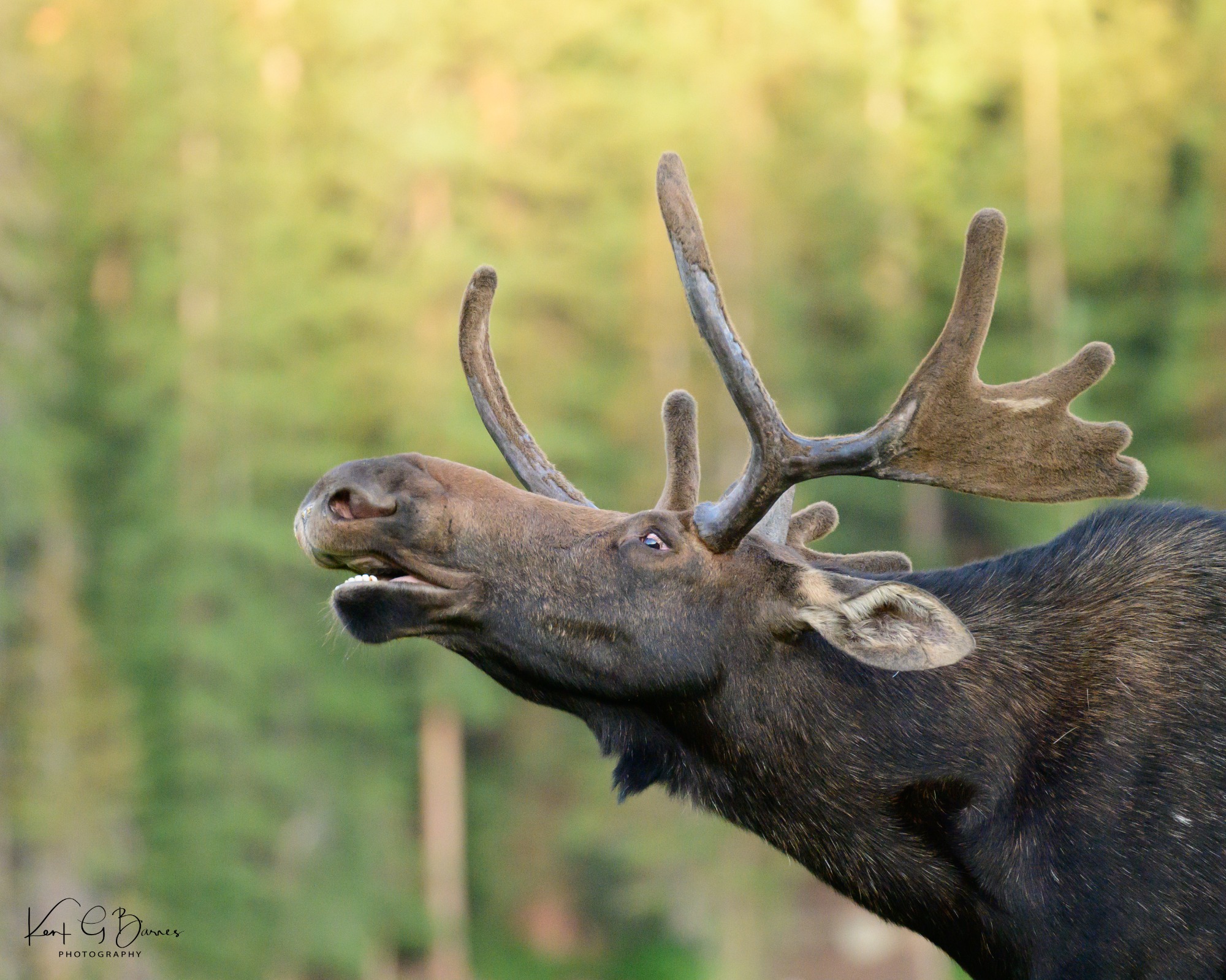
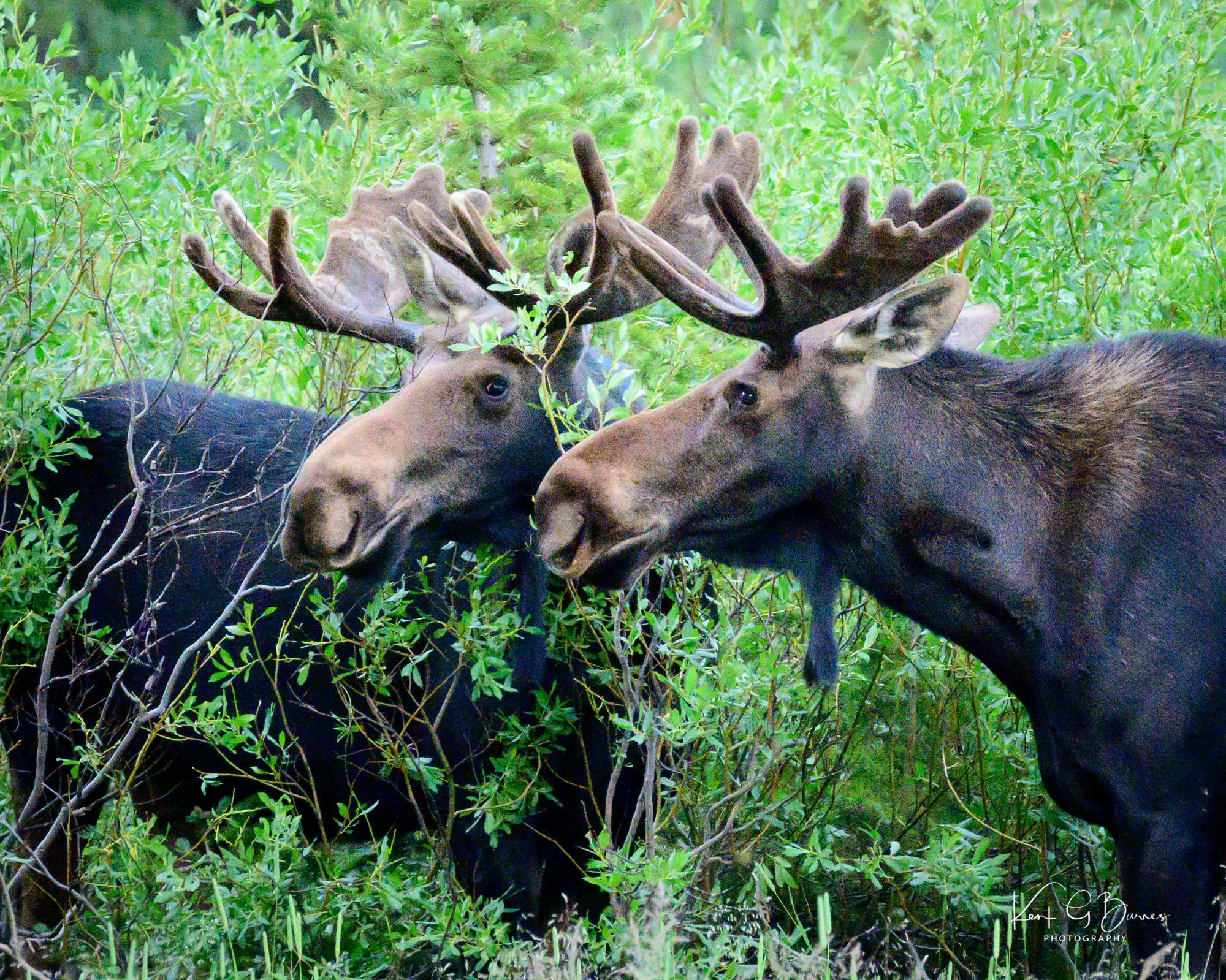
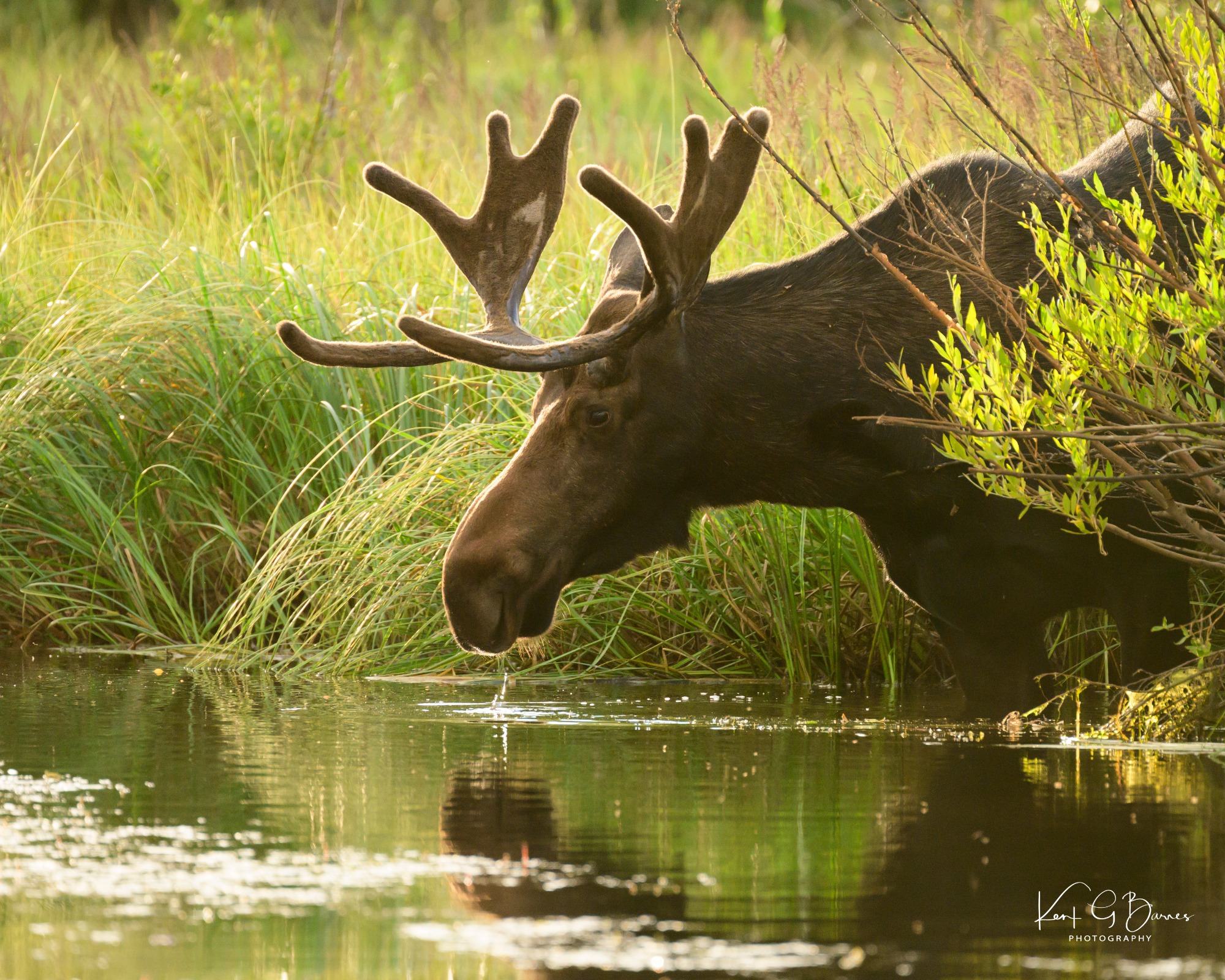
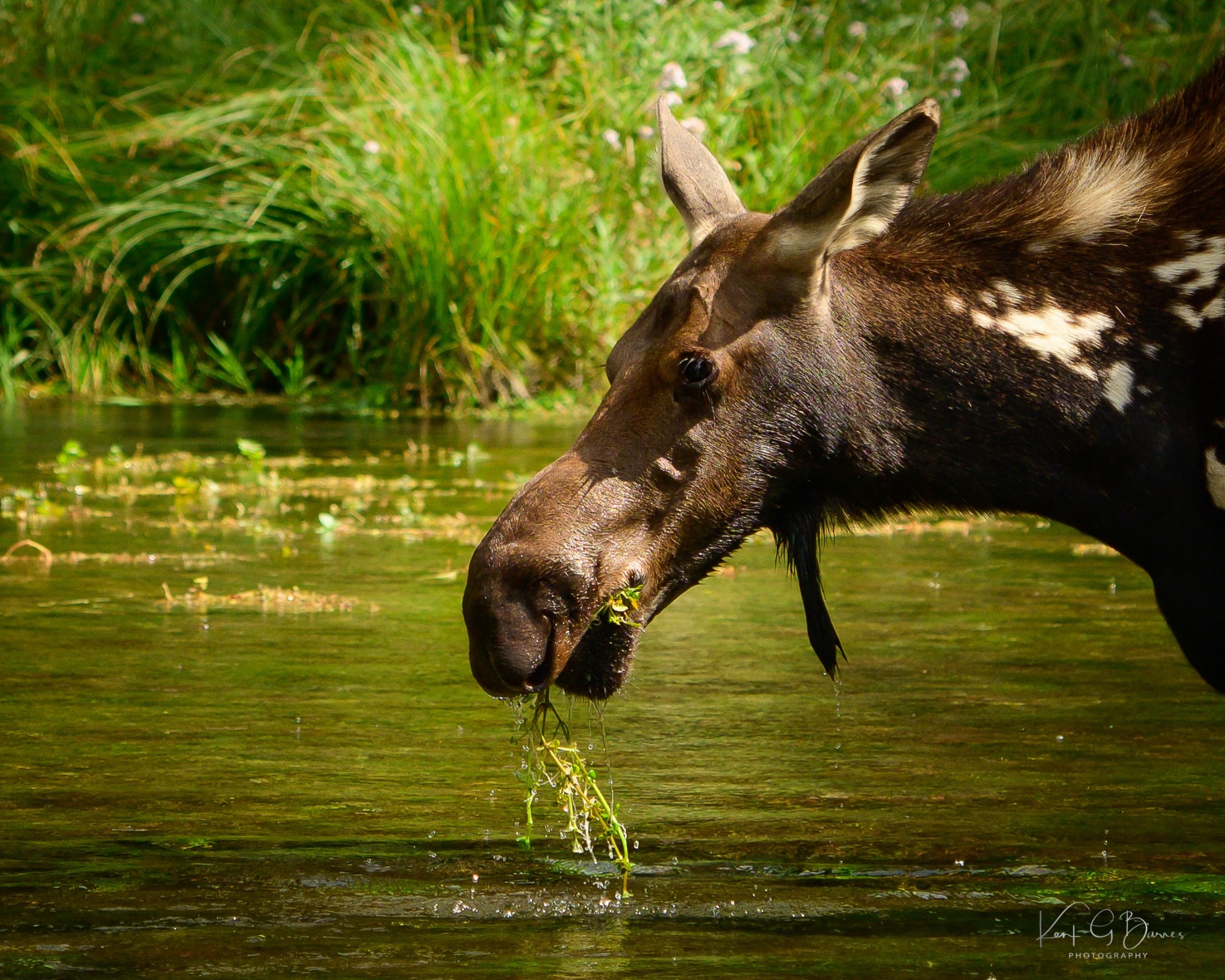
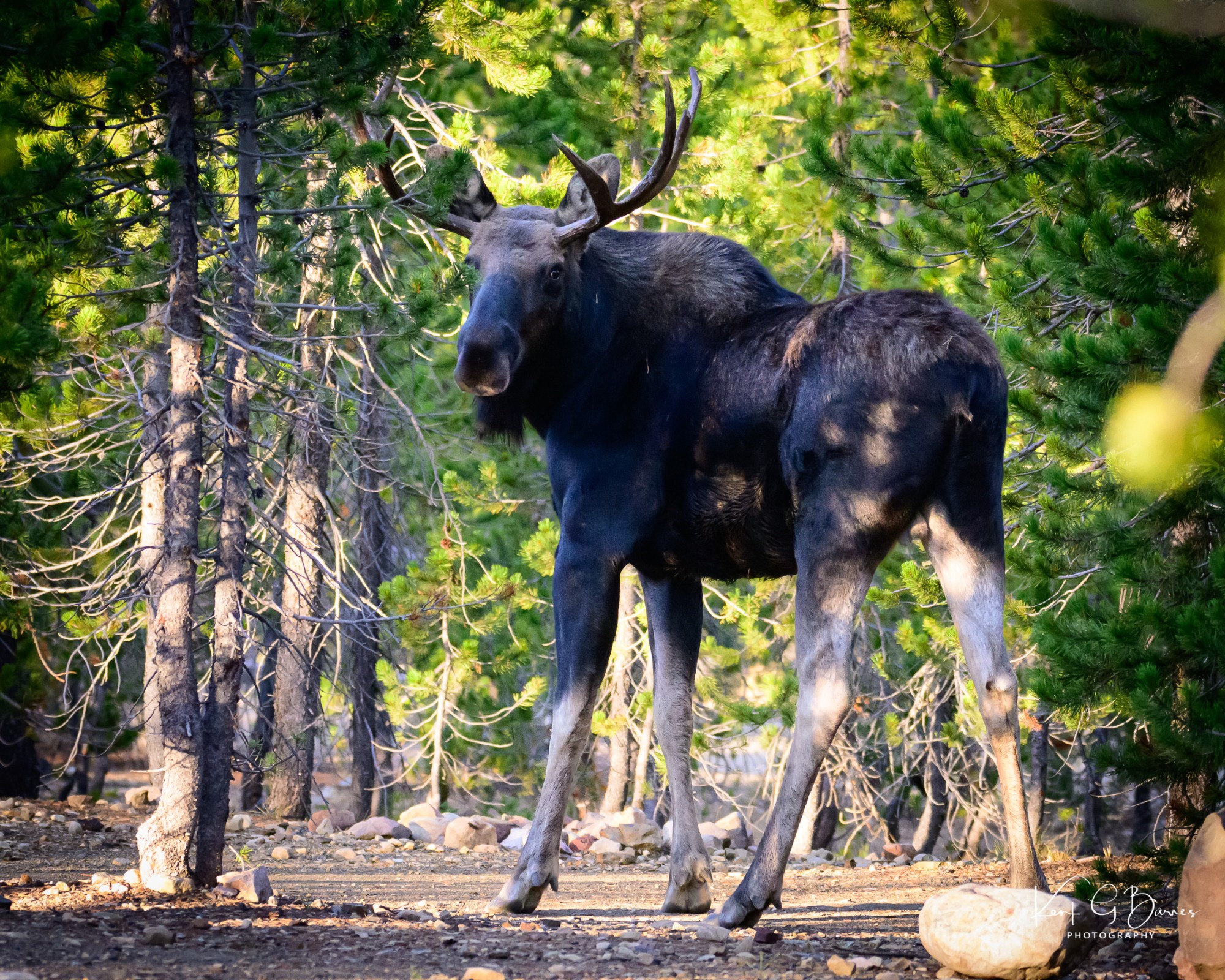
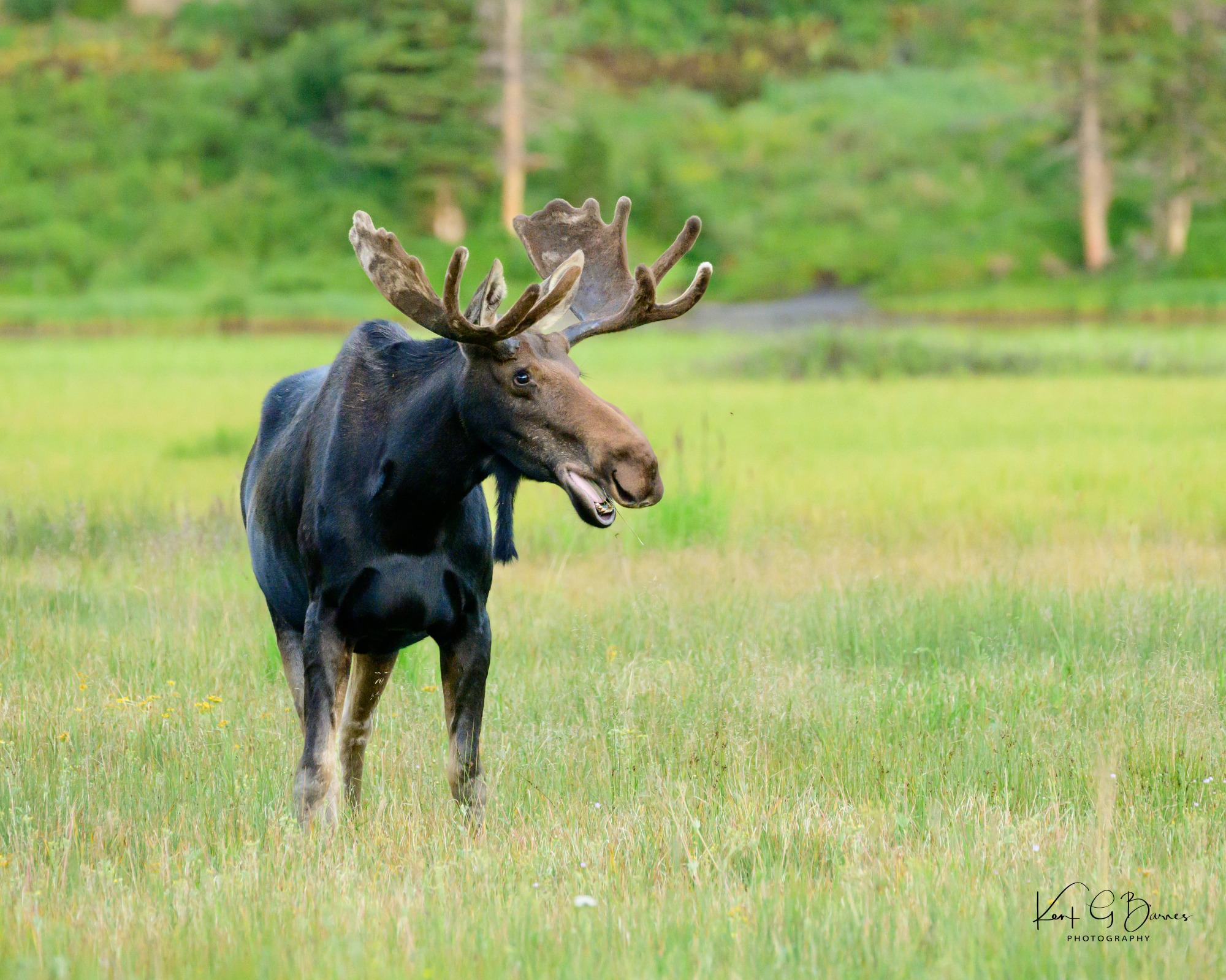
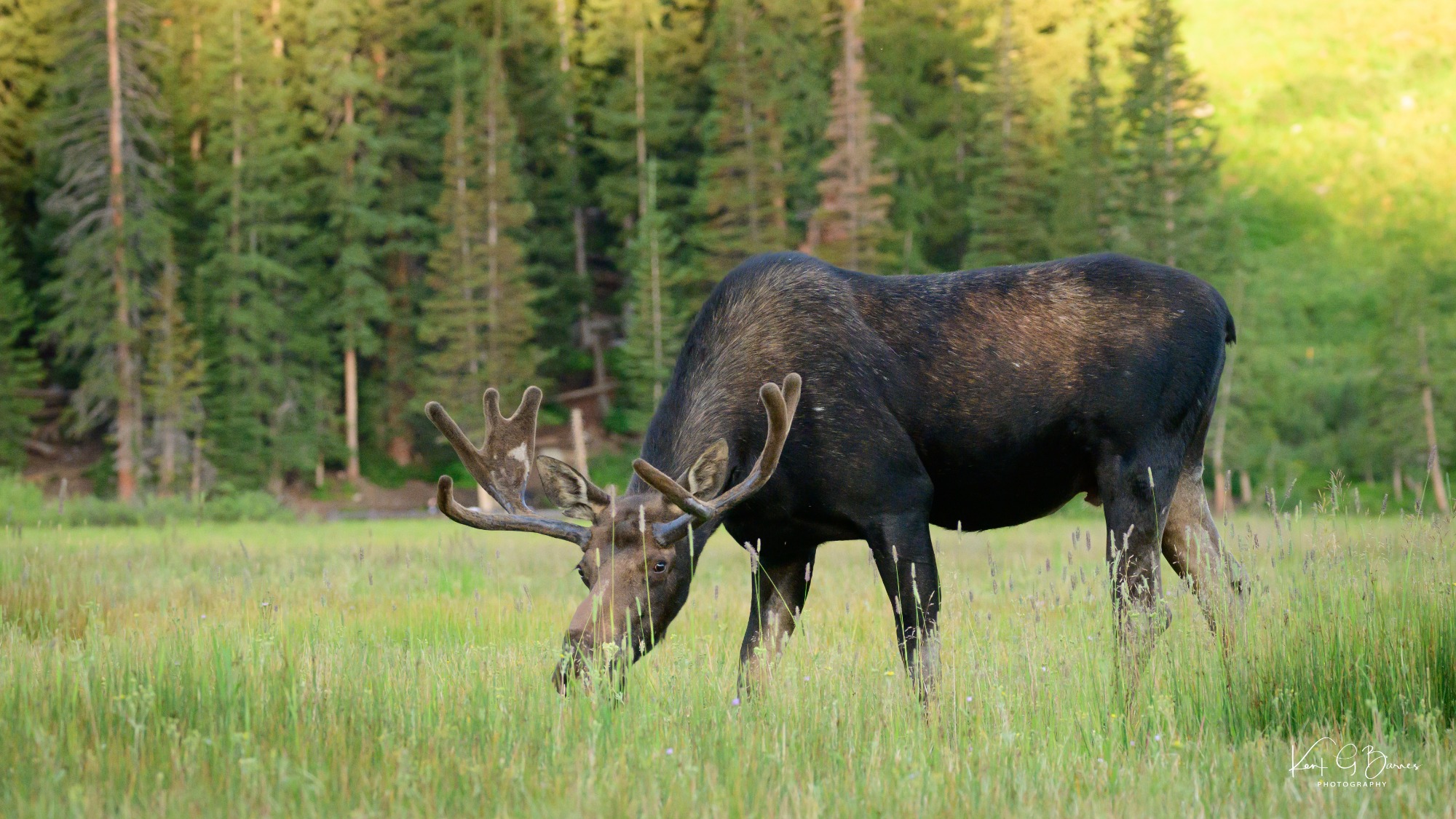
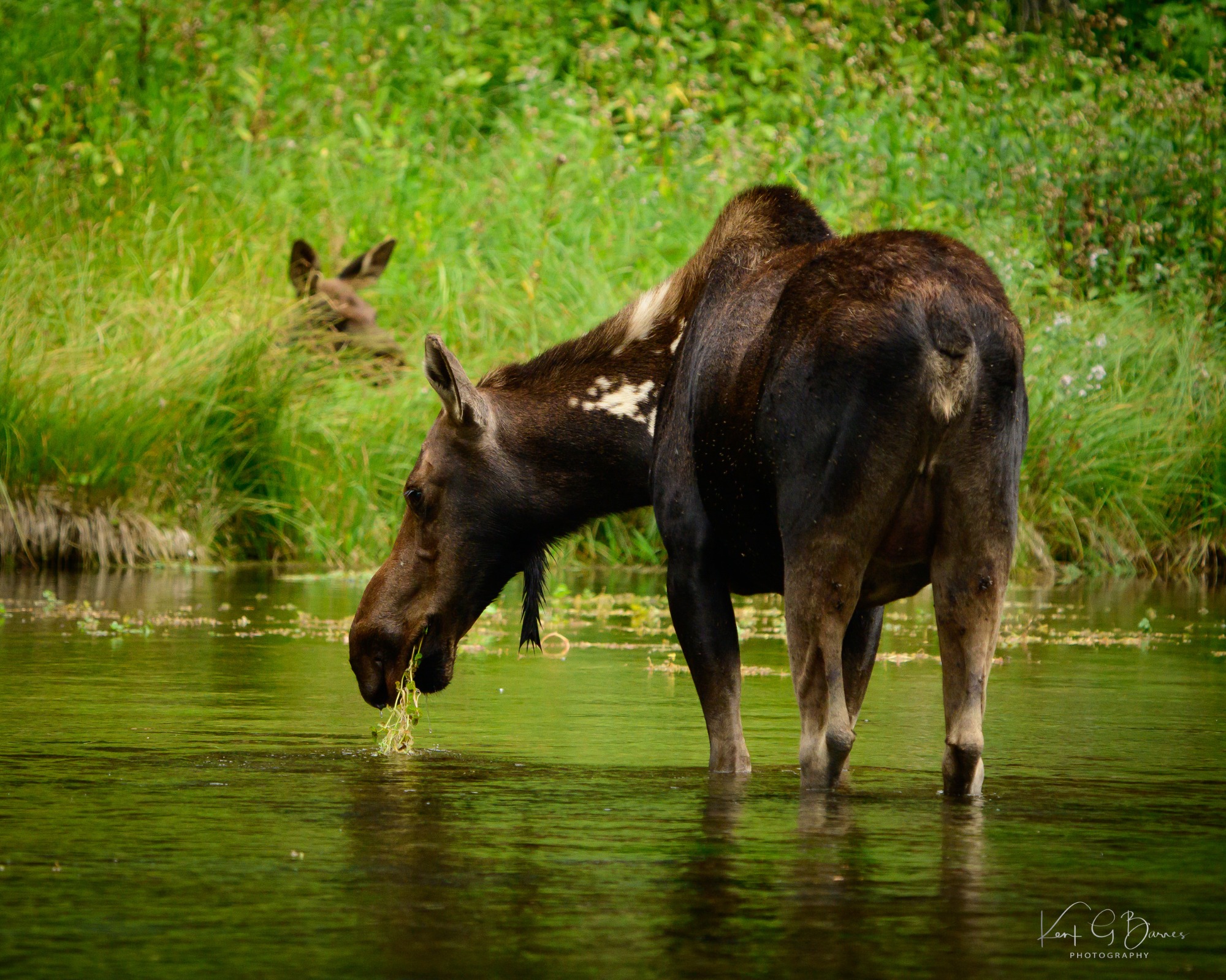
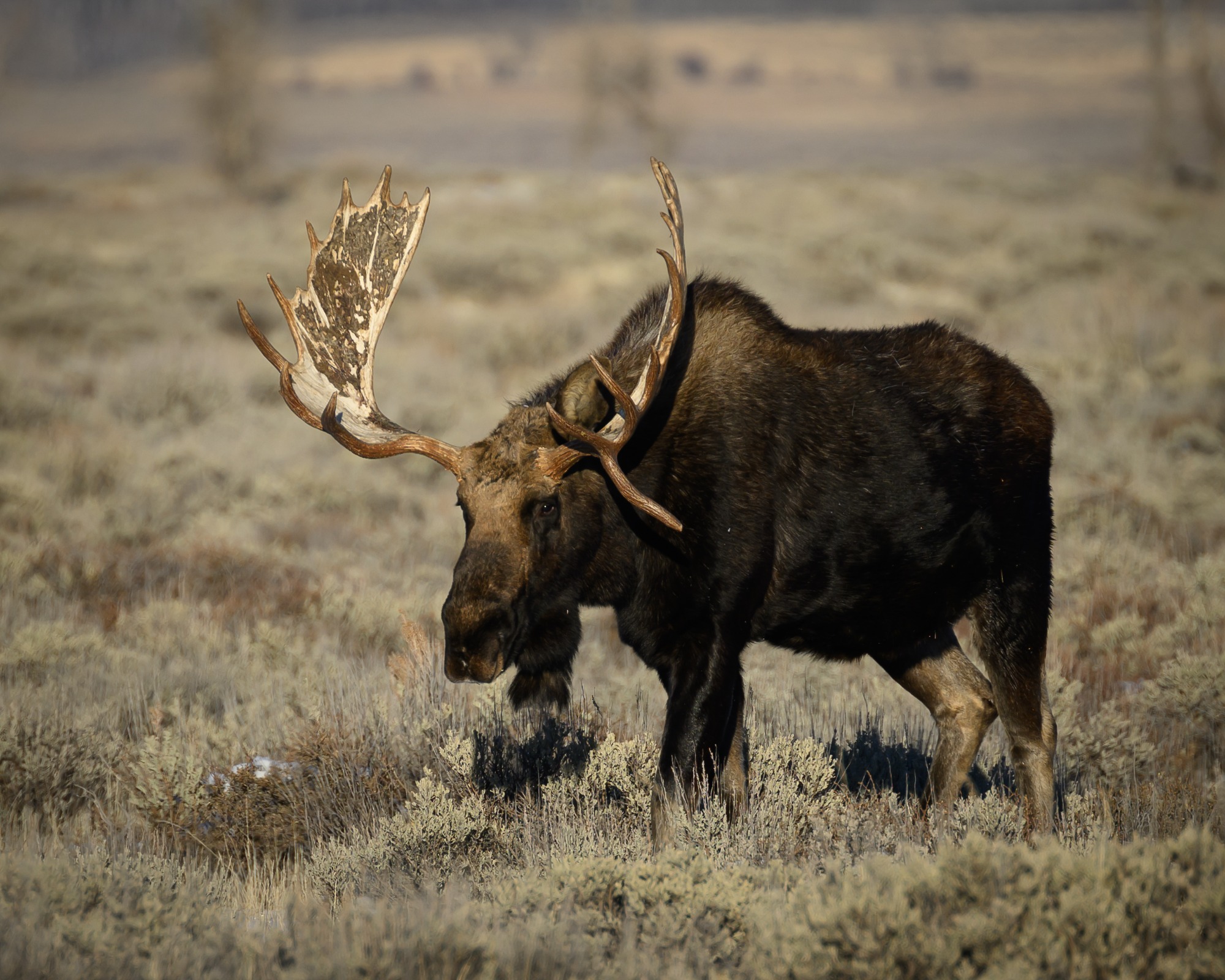
Moose are the largest members of the deer family, known for their impressive antlers and long legs, which enable them to navigate through their natural habitats of forests, swamps, and wetlands. Found predominantly in the northern regions of North America, particularly in Canada and Alaska, these majestic animals are typically solitary creatures. There are three primary species of moose recognized in North America: the Eastern moose, prevalent in the northeastern U.S. and Canada; the Western moose, which roams across the Rocky Mountains; and the Shiras moose, a smaller variant found in the western United States. Moose play a crucial role in the ecosystem by grazing on aquatic plants and young trees, shaping their environment in significant ways. Photographers often seek to capture the grandeur of these impressive animals, making moose a popular subject for nature photography, showcasing their beauty amidst the stunning landscapes they inhabit.
Rocky Mountain Bighorn Sheep
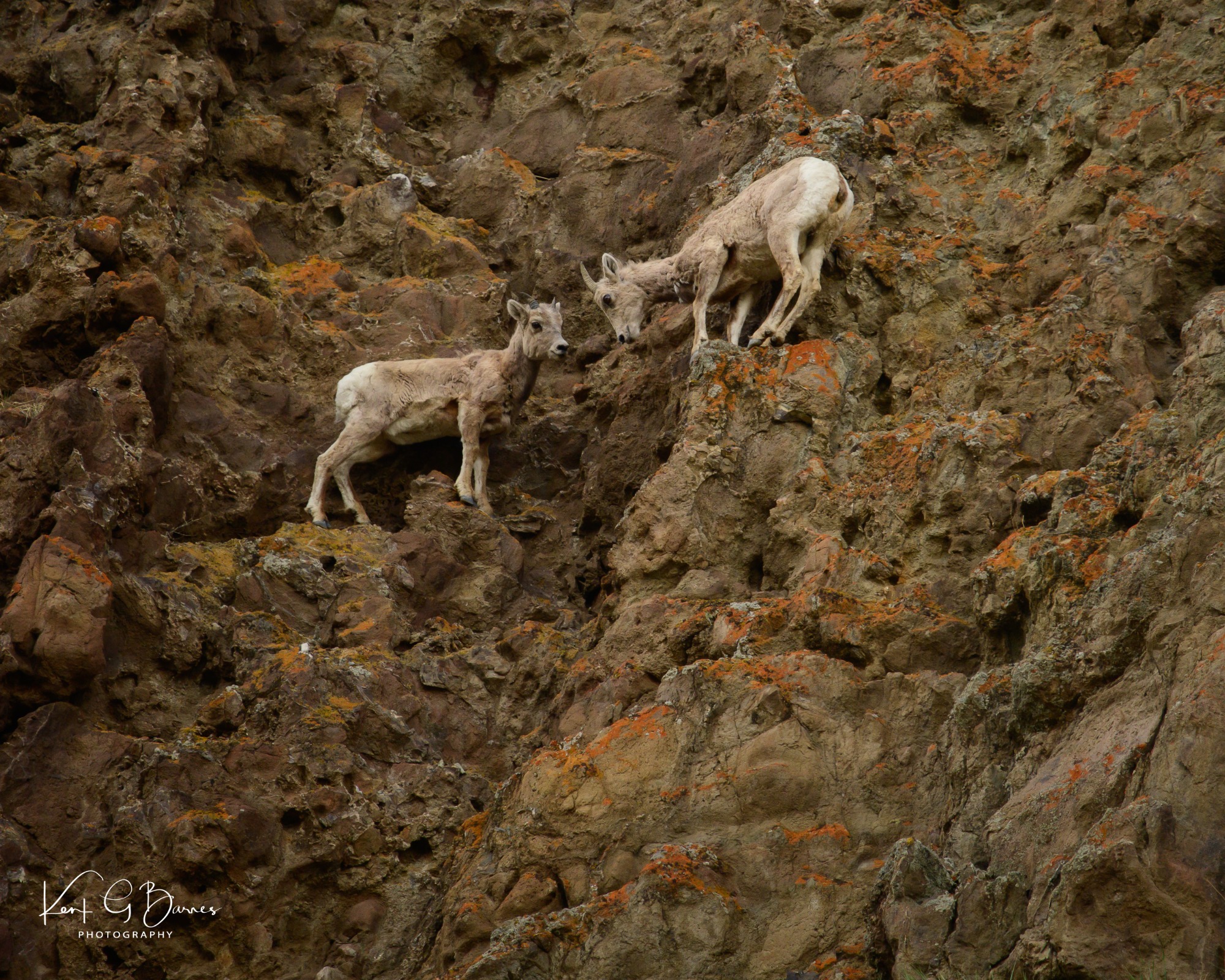
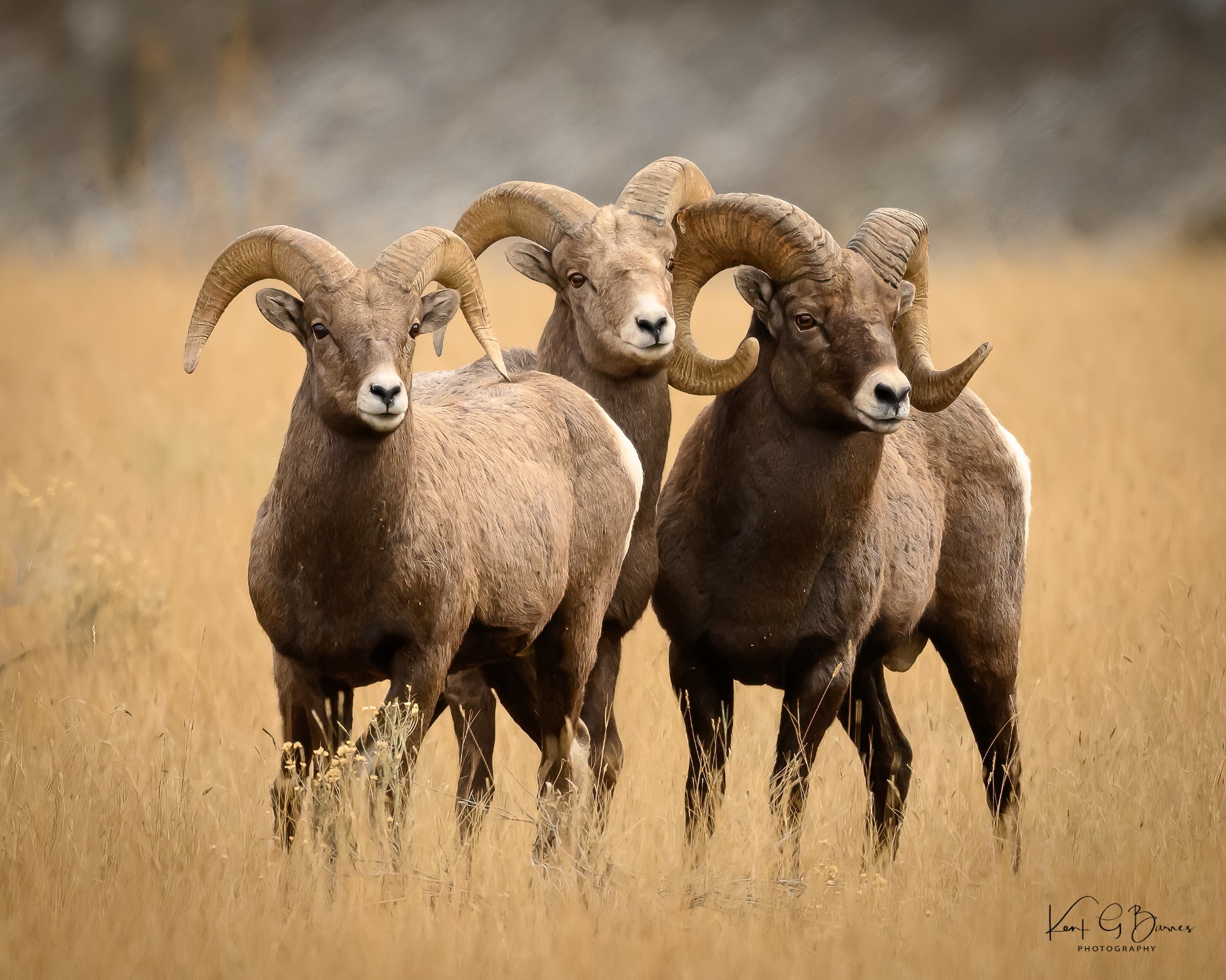
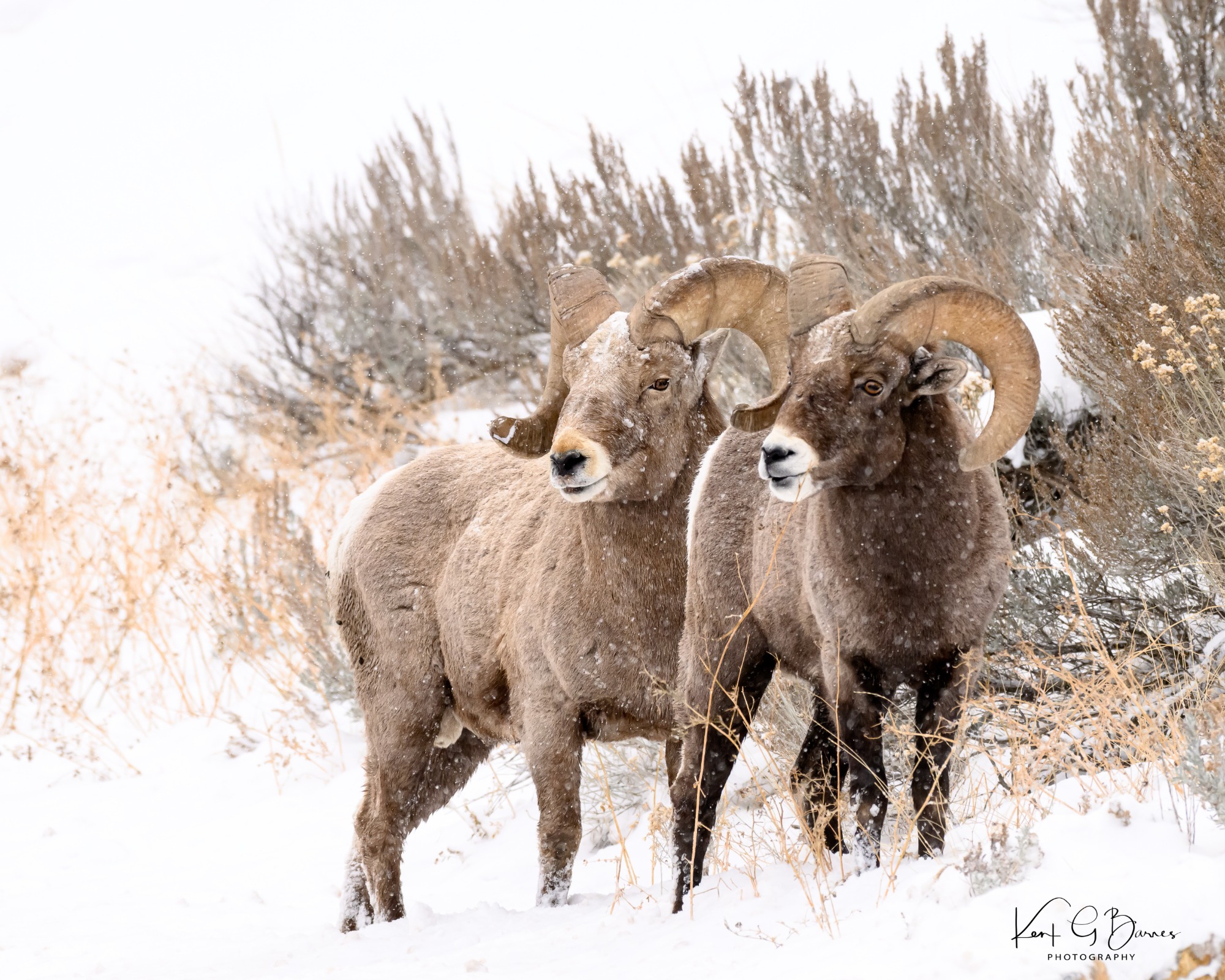
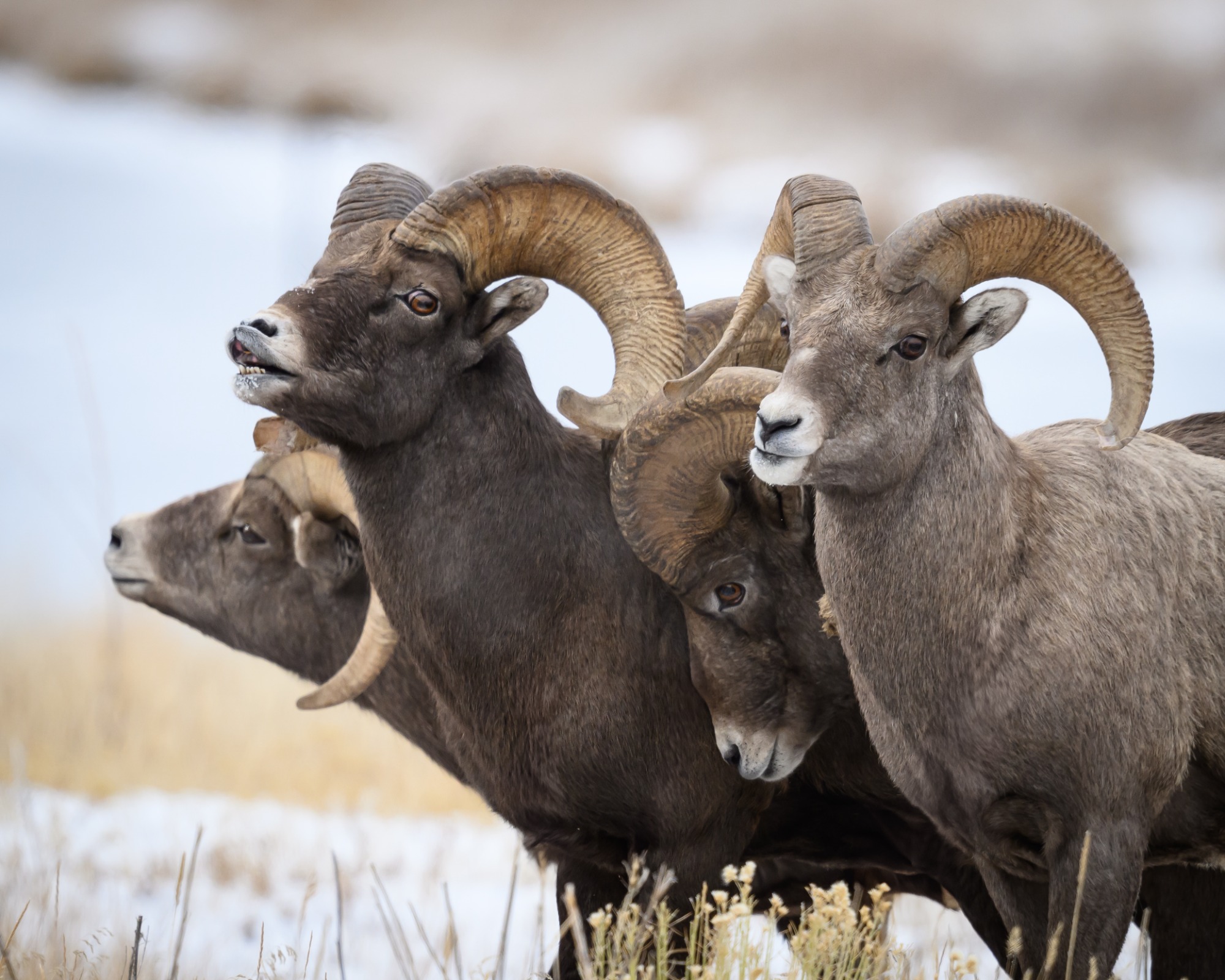
The Rocky Mountain Bighorn Sheep, known scientifically as Ovis canadensis, is an iconic mammal found in the rugged mountain ranges of North America. These magnificent creatures are well adapted to their alpine environment, showcasing remarkable climbing abilities and a keen sense of balance. Bighorn sheep are primarily herbivorous, feeding on grasses, forbs, and shrubs, and they exhibit fascinating social behaviors, often forming tight-knit herds. Their striking curved horns, which can weigh up to 30 pounds in males, make them a favorite subject for nature photography. Capturing their essence in stunning photographs not only highlights their majestic presence but also emphasizes the importance of wildlife conservation in preserving these beautiful animals and their habitats for future generations.
Desert Bighorn Sheep
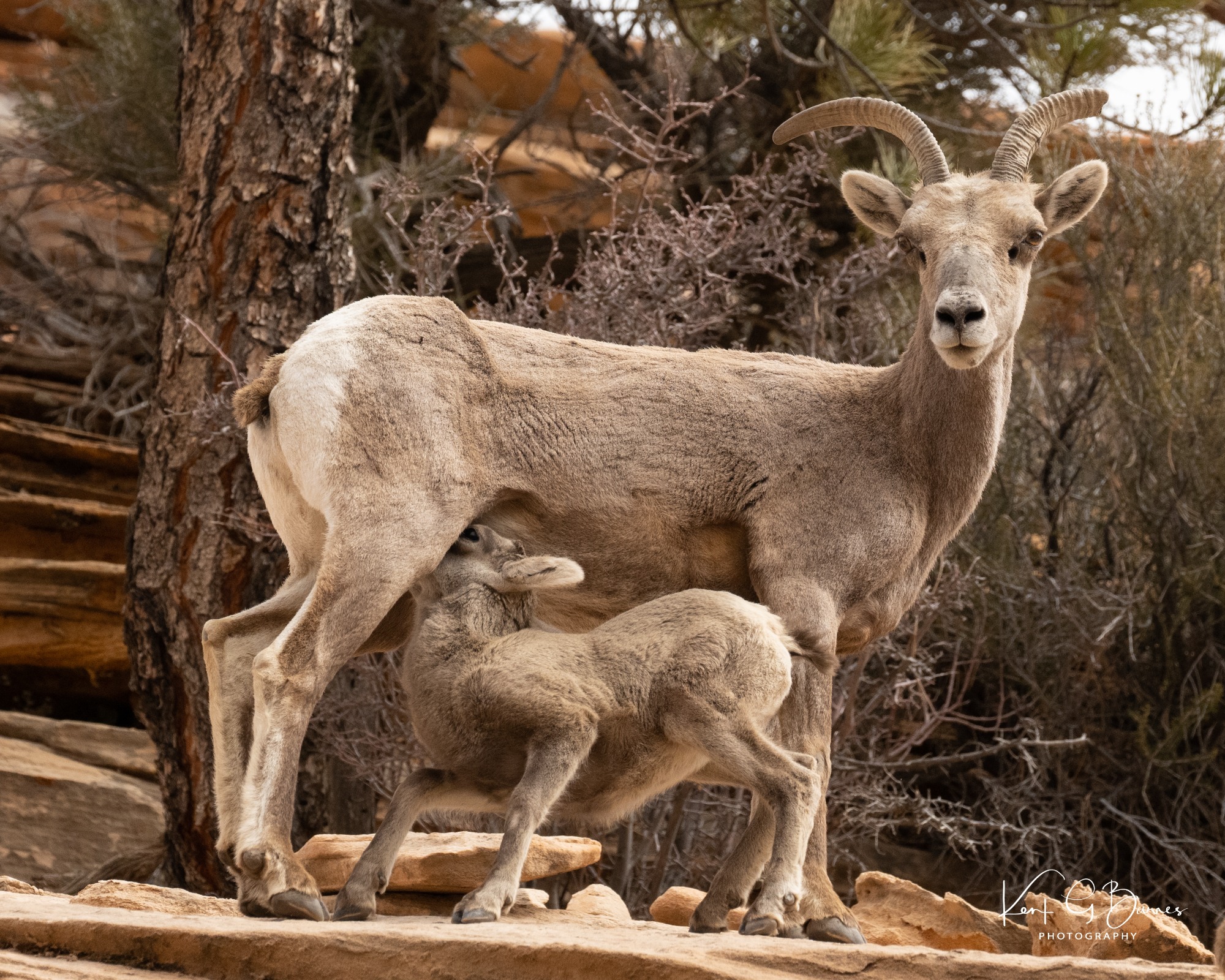
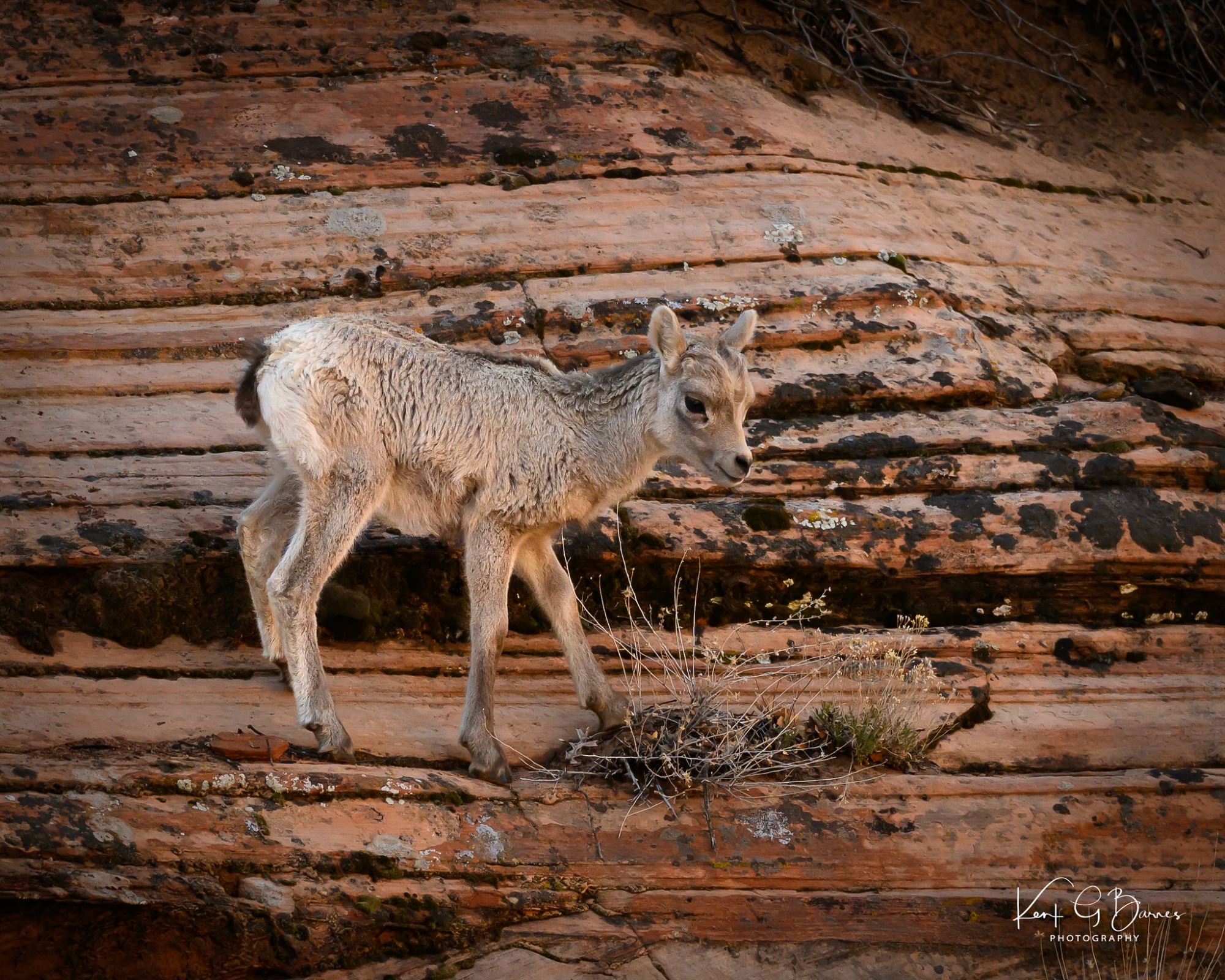
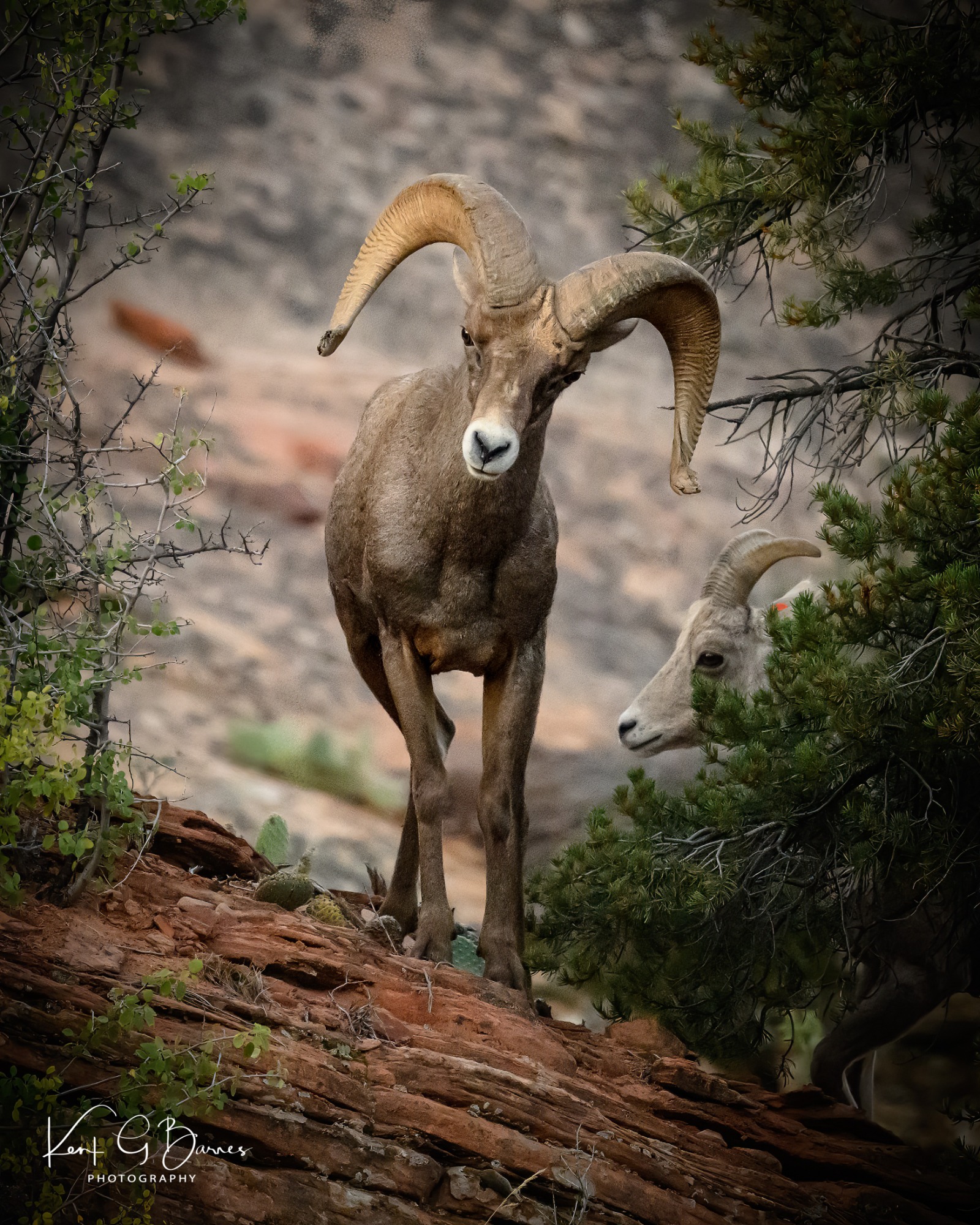
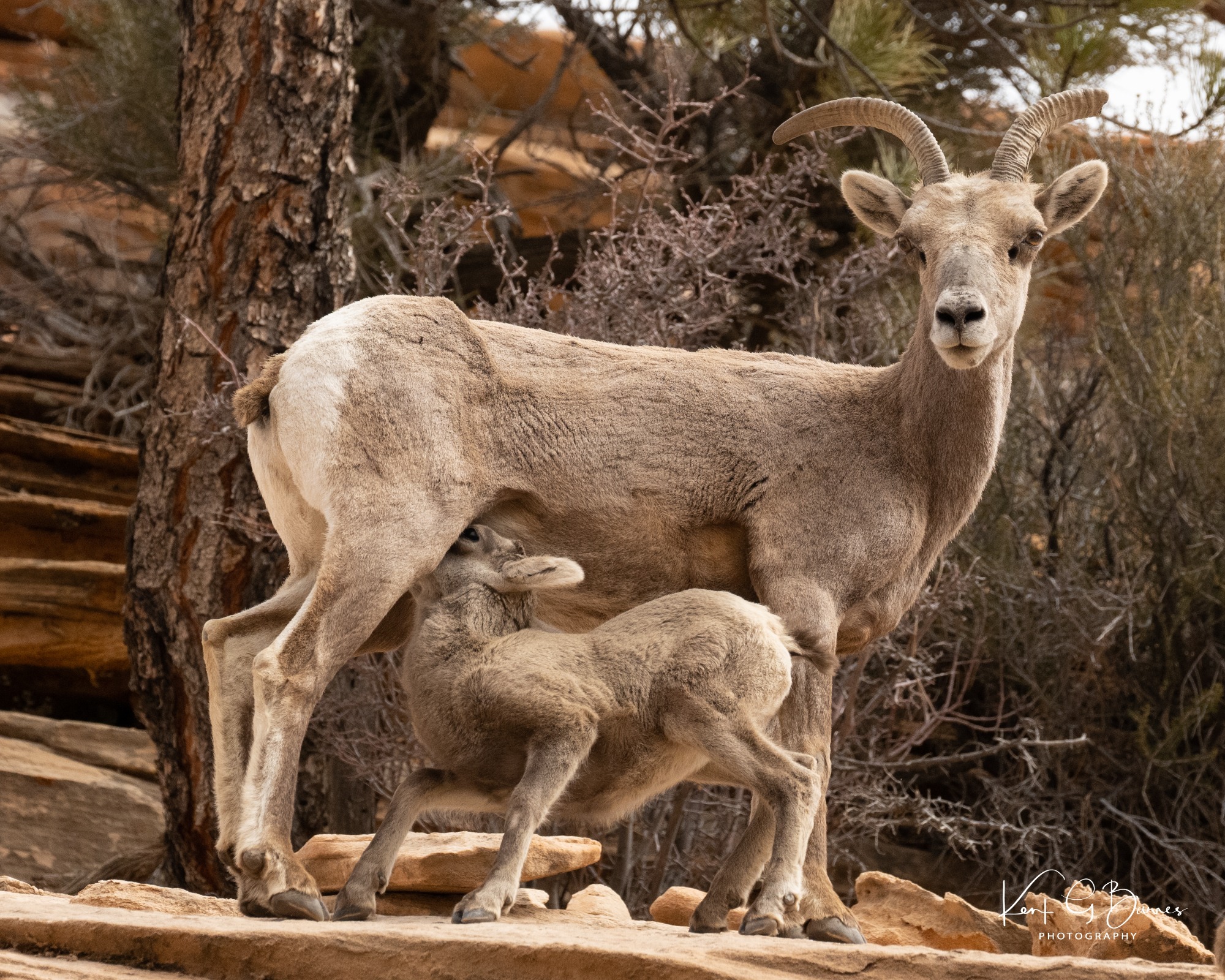
The Desert Bighorn Sheep, known scientifically as Ovis canadensis nelsoni, is a majestic animal that thrives in the rugged landscapes of the Southwestern United States, particularly in areas such as California, Nevada, Arizona, and Utah. These remarkable creatures are well-adapted to arid environments, often seen navigating steep, rocky terrain with grace and agility. They are primarily active during the cooler hours of the day, resting in the shade during the heat of the afternoon.
..And the Antelope Play
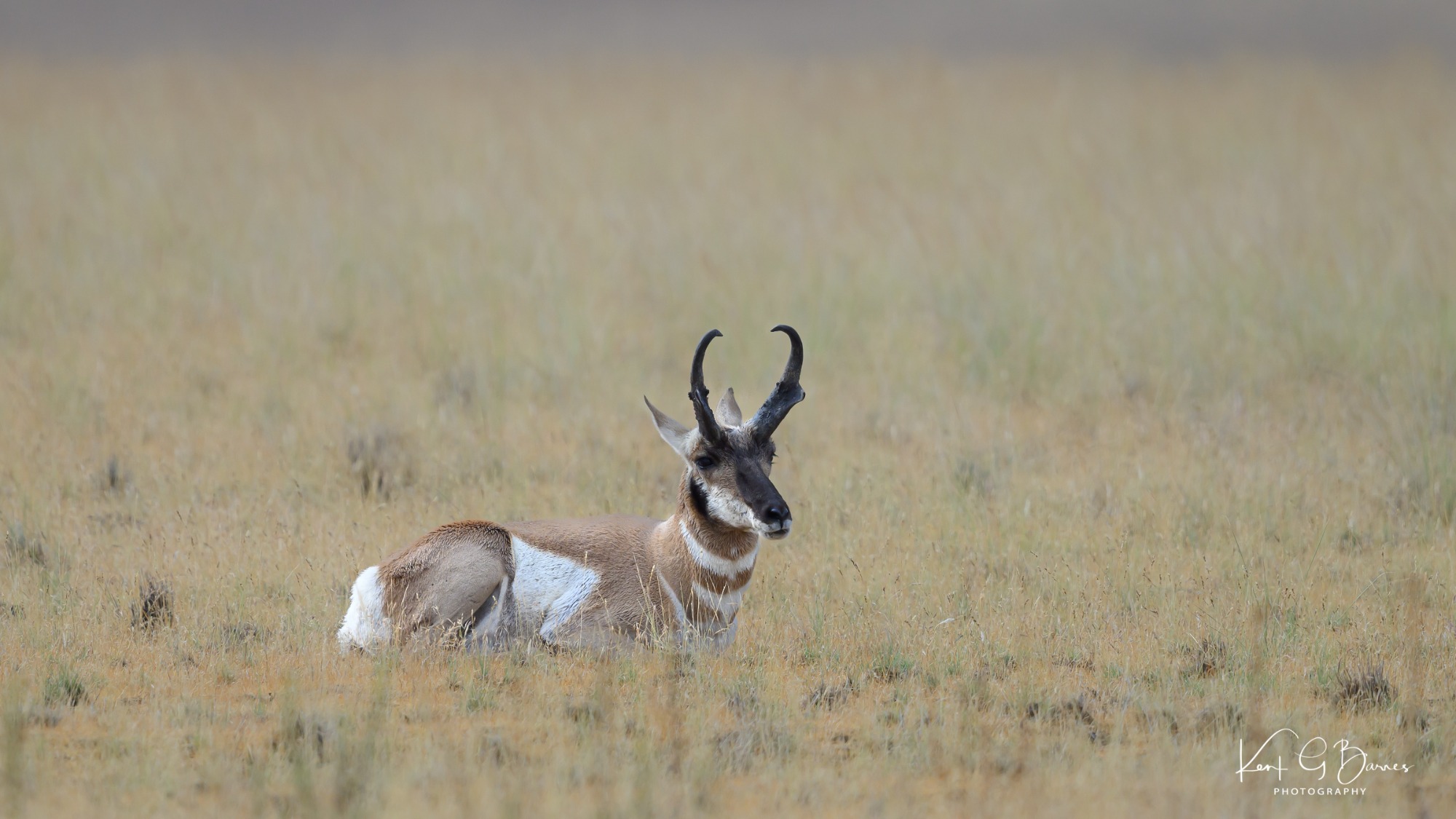
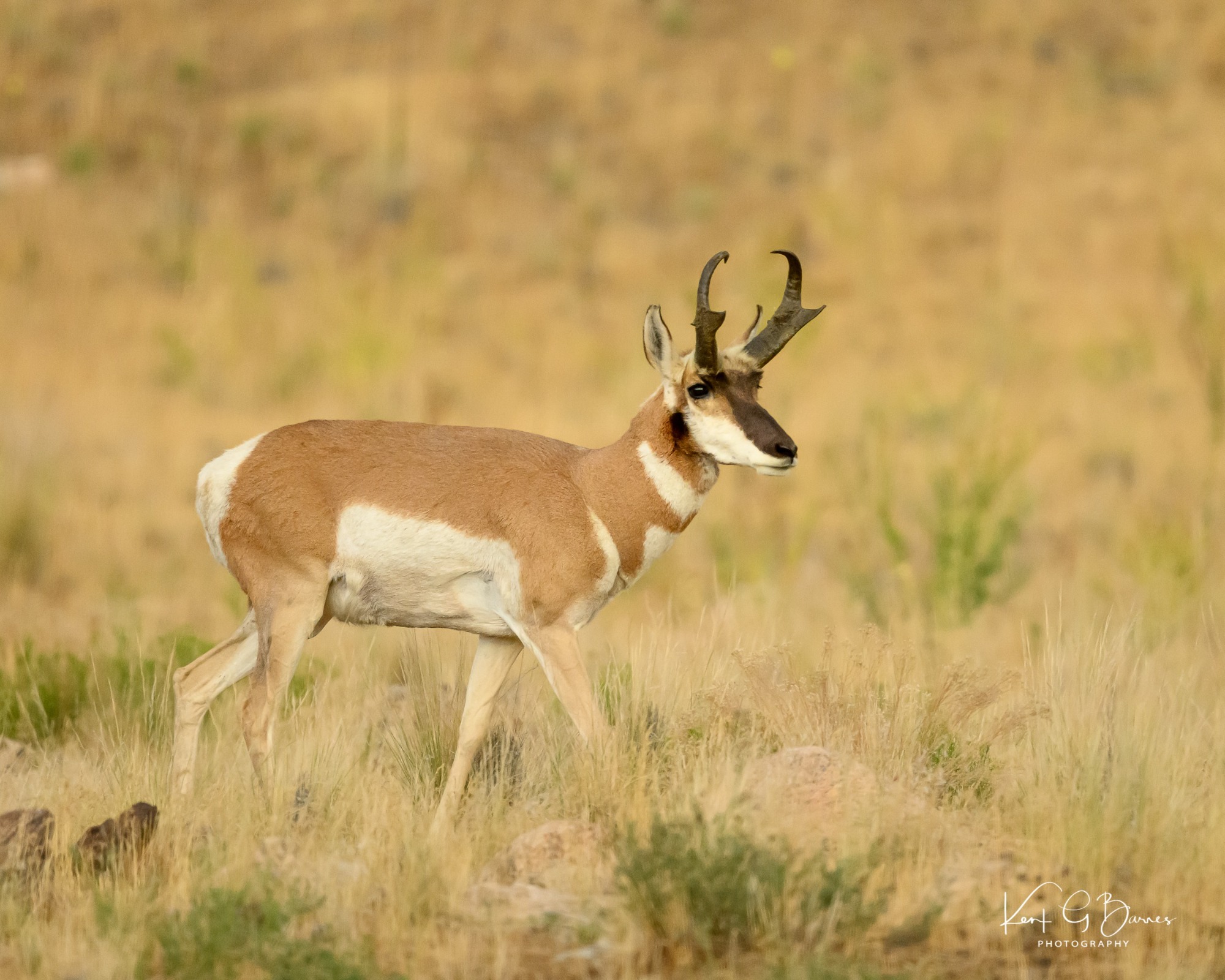
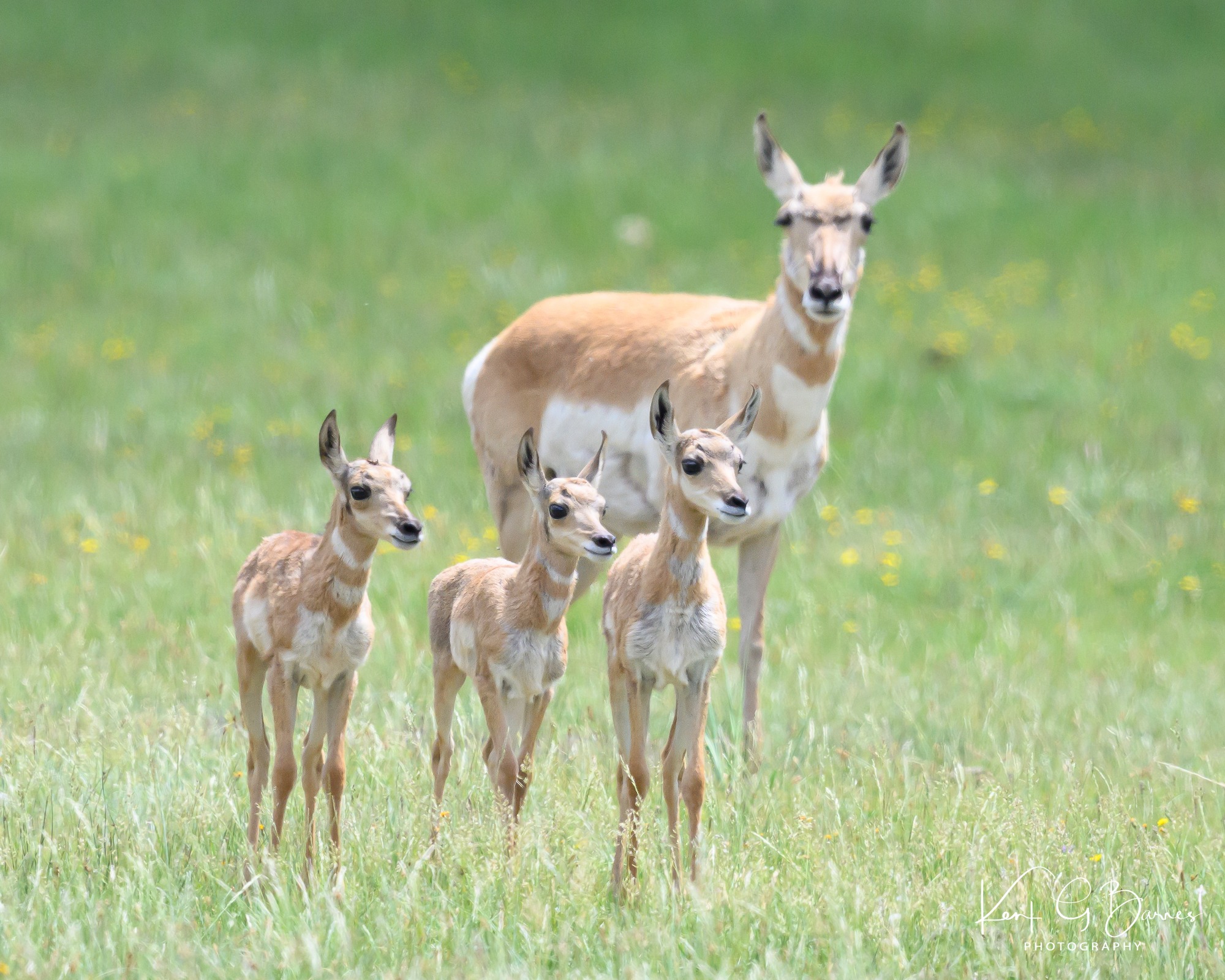
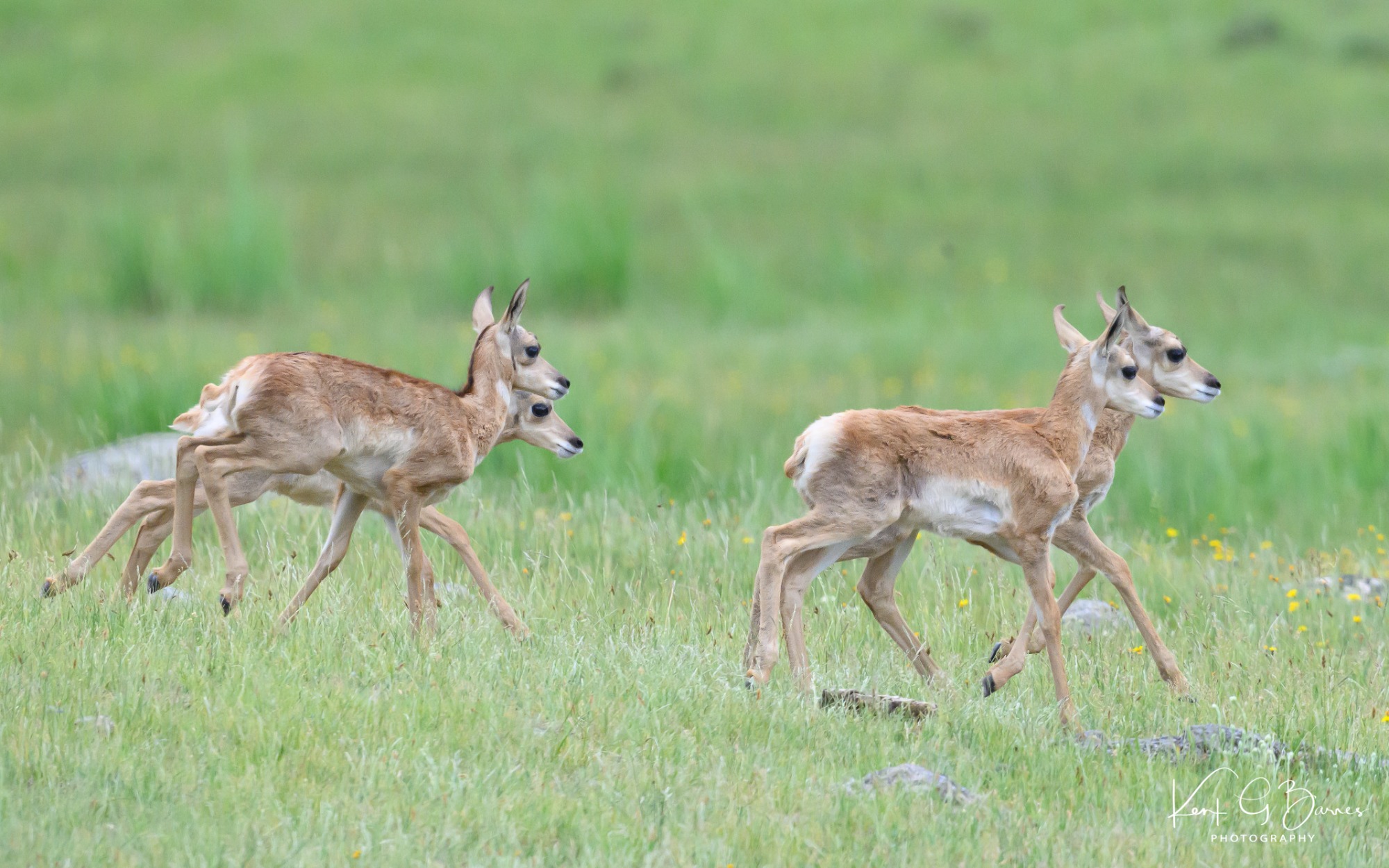
The Pronghorn, scientifically known as Antilocapra americana, is a fascinating species native to North America, primarily found in the grasslands and open plains of the western United States and parts of Canada and Mexico. Renowned for their extraordinary speed and unique adaptations, Pronghorns can run at impressive speeds of up to 60 miles per hour, making them one of the fastest land animals in North America. They are generally seen in herds and exhibit a fascinating combination of grazing and browsing habits, primarily feeding on a variety of grasses, forbs, and shrubs.